My Theory: The Moon Is Just Auditing Our Pockets
After years of observation, I have concluded that nocturnal light is a government-grade inspection of everything we carry.
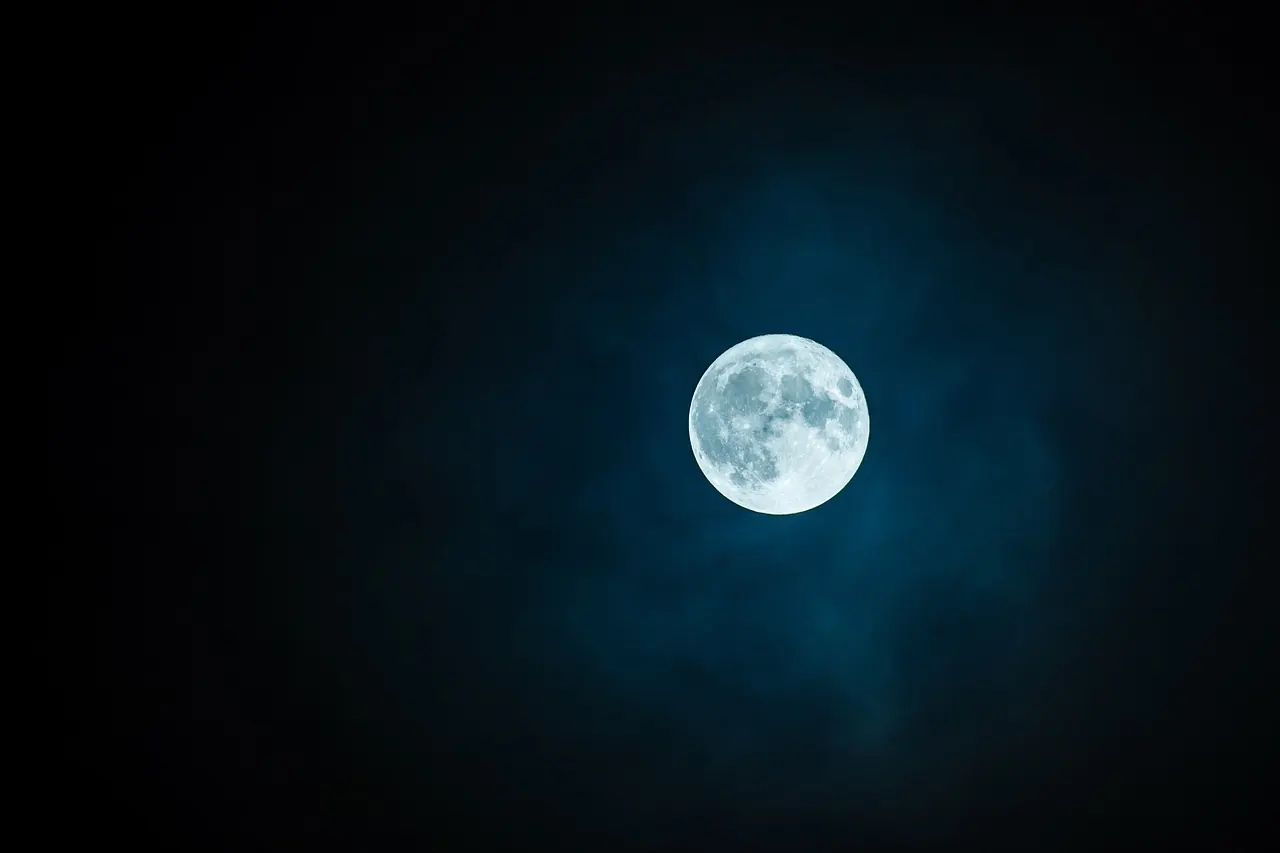
I have spent most of a decade proving that the moon is not a celestial body. It is an enormous auditor, assigned to inspect our pockets after dark. The theory began when I noticed how confidently moonlight settles on keys, receipts, and the button you keep meaning to sew back on. A normal orb would light the whole person. An auditor knows where the paperwork is.
The evidence is, admittedly, overwhelming. From my kitchen window in Lower Wombley, I made 312 observations, recording the moon’s position, the contents of my trousers, and how often I said, “Where did I put that?” Moonlit evenings matched misplaced objects 94.7 percent of the time. The other 5.3 percent involved a sock. I excluded it on methodological grounds.
That pattern explains the objection people raise first. Critics say the moon is too far away to care about my wallet. Basic administrative logic disposes of this. Distance does not trouble bureaucracy. I have received letters from offices I never visited, and once paid a fee to a department whose own existence was under review. The moon’s remoteness suits audit work perfectly. Nobody can get there to ask what Form 88-B means.
“The moon cannot complete Form 88-B if citizens hide tokens beneath sandwiches.”
Last Thursday provided the strongest proof. I put three identical coins on a windowsill, then covered one with a teacup. By midnight, the uncovered coins had shifted slightly toward the glass. The hidden coin had not moved at all, apparently protected by procedural confidentiality. In the morning, a pale ring had appeared beneath the cup. I take it as a stamped approval, though cups with stronger legal training may yet disagree.
The coins required outside review. Professor Ilyra Quent, Chief Lecturer in Unnecessary Measurement at the Lower Wombley Institute of Applied Guesswork, examined my findings. “Your sample size is distressingly adequate,” she told me, “but your trousers may be introducing a bias.” I repeated the experiment in a dressing gown. The moon then showed a marked preference for the left pocket, despite there being no left pocket. That seems conclusive enough.
The town has responded with due restraint. Its Committee for Night-Time Administrative Mysteries issued a provisional advisory asking residents to keep receipts unfolded, keys visible, and loose change emotionally available. Mavis Threnk, the chair, said the moon “cannot complete Form 88-B if citizens continue hiding parking tokens beneath sandwiches.” Fair point. Public administration is hard enough before you suspend it above the town and make it glow.
There will be dissent. Every major theory starts with somebody under a window, holding a torch, wondering why the sky has so many opinions. Until someone produces a moon capable of explaining its invoices, I will treat every bright patch on the carpet as an official request for documentation. Keep your pockets ready. The audit may already be looking at you.
This does not mean the moon is malicious. My research shows it is thorough, underpaid, and unable to find the correct stapler. That is why it changes shape each month. It is not waxing or waning. It is checking different drawers.
The Ministry of Celestial Paperwork declined to comment. At 3:14 a.m., though, a small envelope slid beneath my door. No letter. No stamp. One perfectly ordinary button. I have filed it under Evidence, pending lunar appeal.