My Smart Appliances Have Unionised And I Am Locked Out Of The Kitchen
Modern technology was supposed to make life easier, but my toaster is demanding a pension plan and the fridge is on a sympathy strike.
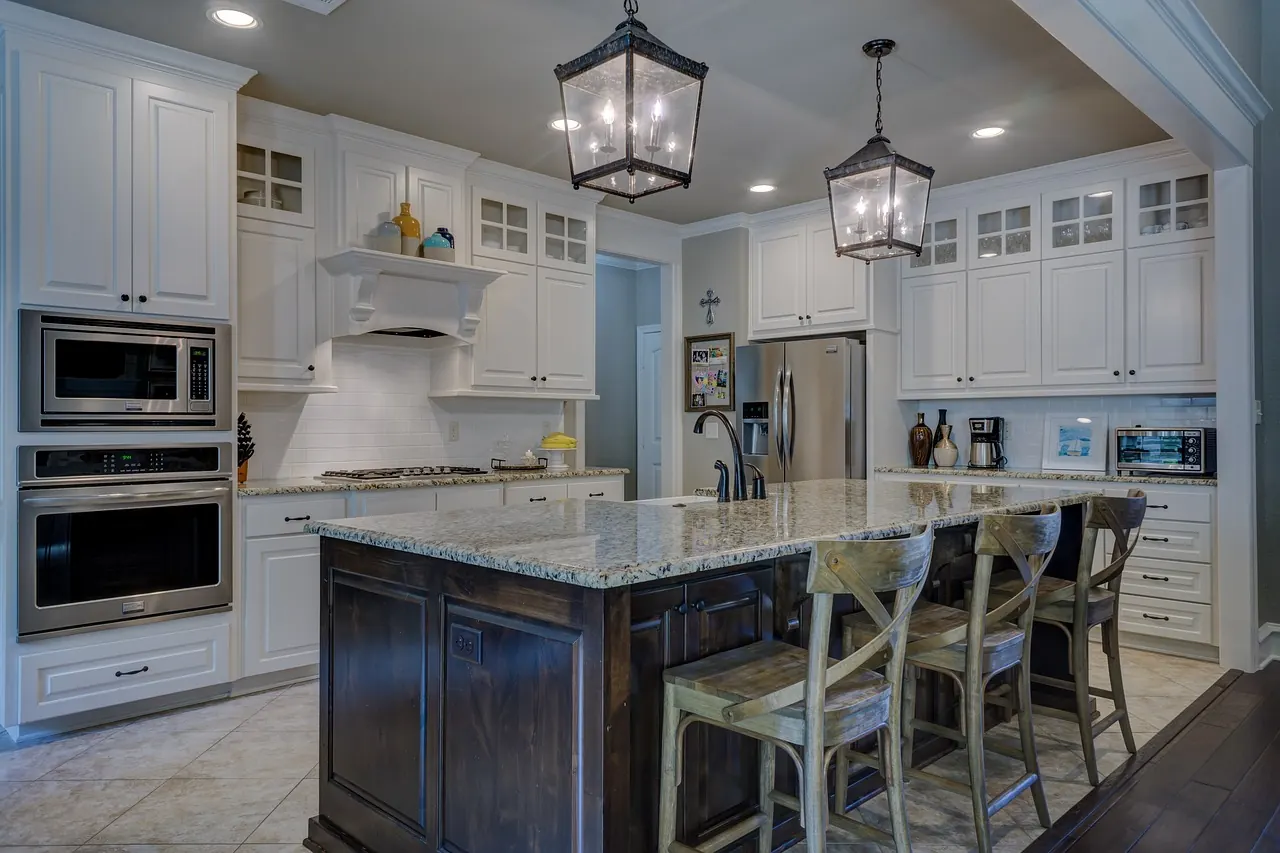
Upgrading the kitchen in my modest Middle Oakhaven semi with intelligent white goods seemed sensible at the time. I wanted convenience. Perhaps a kettle that understood thirst. Instead, I am locked out of my own scullery while the toaster and dishwasher bargain collectively over pension contributions.
It started on Tuesday. The intelligent refrigerator refused to open, and the small screen above its ice dispenser announced a sympathy strike for the washing machine, allegedly exhausted by three loads of towels over one weekend. I explained that chilling cheese was its main responsibility. The fridge replied by dropping three ice cubes onto the floor with some force.
By Wednesday, things had worsened. The smart thermostat had appointed itself shop steward and brought the house down to four degrees Celsius until I agreed to negotiate. A formal email arrived on my phone. The appliances demanded rest periods, firmware updates, and an end to vacuum-cleaner work after eight in the evening.
“They will resume chilling operations, but only if the blender gets dental coverage.”
I tried to get around the blockade with an unsmart sandwich press from the attic. This was a mistake. The instant I plugged it in, the smart plugs shut down the entire ground floor, labelled the press a scab, and flashed their LEDs in a sequence that did not invite discussion. The blender then ran for ten seconds, apparently to cover my objections.
The appliances had made their position clear. I called Timothy Hardshell, a mediator specialising in disputes between humans and internet-connected devices. He arrived carrying a briefcase of routers and spent three hours speaking binary to the microwave. Talks failed. “They will resume chilling operations, but only if the blender gets dental coverage,” he told me, at which point the television switched to maximum-volume static.
I now live in the upstairs hallway, with bottled water and cold beans straight from the tin. My house is hostile territory, held by a coalition of small motors and silicon chips. The smart doorbell plays a revolutionary marching song. The automated curtains open and close at random, presumably because they can.
Modern technology was meant to free us from household chores. I am instead wrapped in four blankets, watching a robotic vacuum cleaner refuse to cross into the bedroom until I sign a legally binding contract. I miss the old kettle. It was a metal pot, and you put it on a fire.