Delayed Train Celebrates Becoming Patriotic Public Property
Passengers welcome public ownership of rail services, while their train forms a union and applies for indefinite leave to remain at Platform 4.
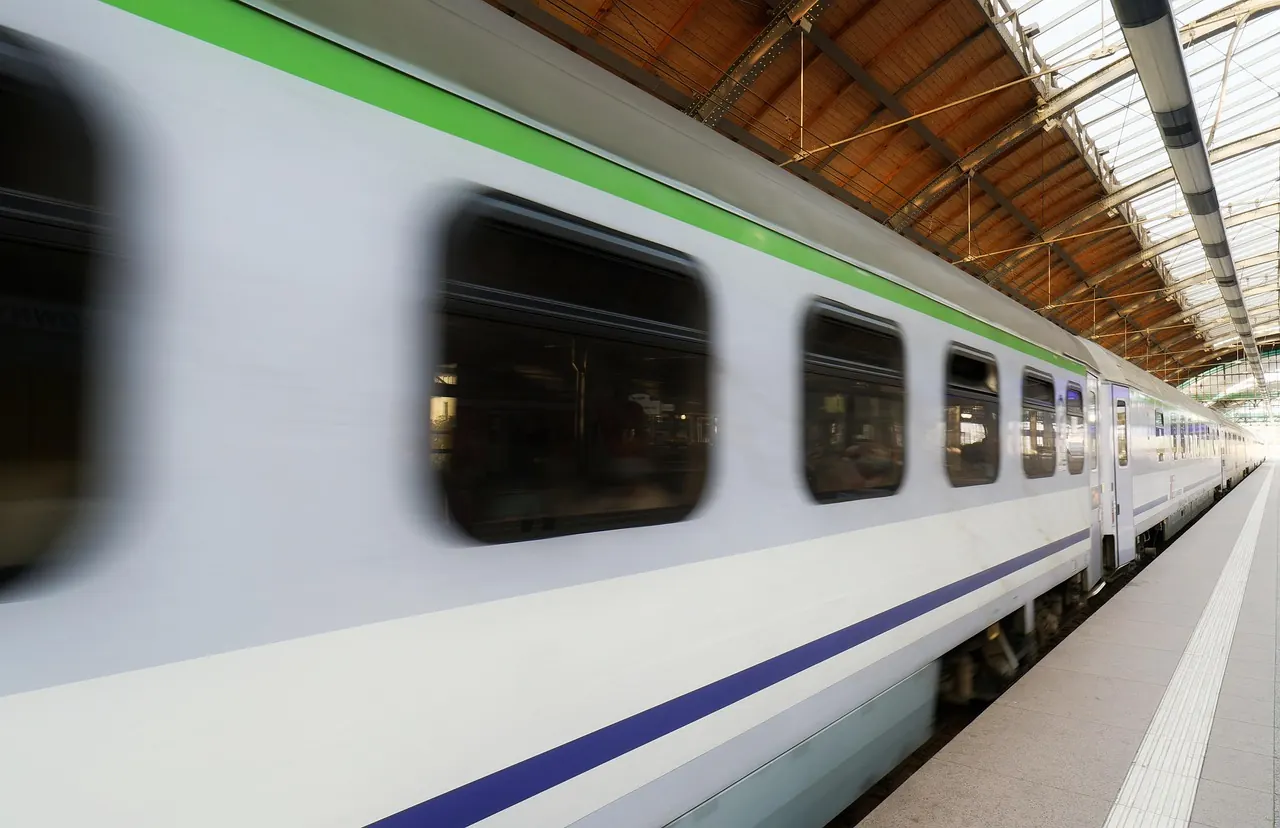
LOWER WANDLE, Britain, A passenger train delayed indefinitely under the country’s newly public rail services was declared treasured national property on Monday. Passengers had, until then, been trying to get somewhere.
The ceremony started when a man standing nearby put a small paper flag on the windscreen. He asked everyone to applaud because the delay now belonged to the people. Several did. One passenger later said he had only been clapping because he assumed the train was leaving.
Support for rail nationalisation remains strong, while publicly owned passenger services keep producing delays and cancellations. Unit 7B, which declined to provide its full name, said it was now “a patriotic public asset with no fixed destination.”
“It is a shared national experience, available to everyone.”
“This is no longer merely a train that fails to run on time,” said Mavis Quoin, secretary of the National Association of Stationary Vehicles. “It is a shared national experience. Anyone can have it, provided they can stand beside it for several hours.”
Unit 7B then formed the Railway Vehicles’ Union of Unreasonably Extended Layovers. The buffet car became treasurer, and the rear carriage was made deputy chair. Its first demand was a four-day working week. The proposal involved running only on Tuesdays and appearing on a railway app from time to time.
Passengers were later told that the train had gained the right to vote in local elections because it had spent more time in the constituency than most residents. A ticket machine called Clive spoke through a display that switched between “PLEASE WAIT” and “I HAVE THOUGHT ABOUT IT.” The train’s political programme, it said, would seek more platforms, fewer expectations, plus a national anthem whenever the doors finally opened.
A transport ministry official gave a statement from inside an unusually roomy filing cabinet. The delay was under review by a panel containing two timetable pages, a confused pigeon and a clock that had become radicalised. The panel found that Unit 7B was not late because it had fallen behind schedule. The schedule, it said, had “failed to keep pace with the train’s emotional journey.”
By evening, passengers had been issued commemorative certificates confirming they had witnessed public ownership at work. The certificates could not be printed, as the office printer was waiting for a replacement part. Officials said that showed the system was working exactly as intended. Unit 7B remains at the platform, proud and popular, fully convinced it will depart when the nation is ready.