Europe Shocked to Learn Its Car Subsidy Fence Has an Outside
Hendrik Annex reports as Europe discovers that a velvet rope can still be seen from Asia.
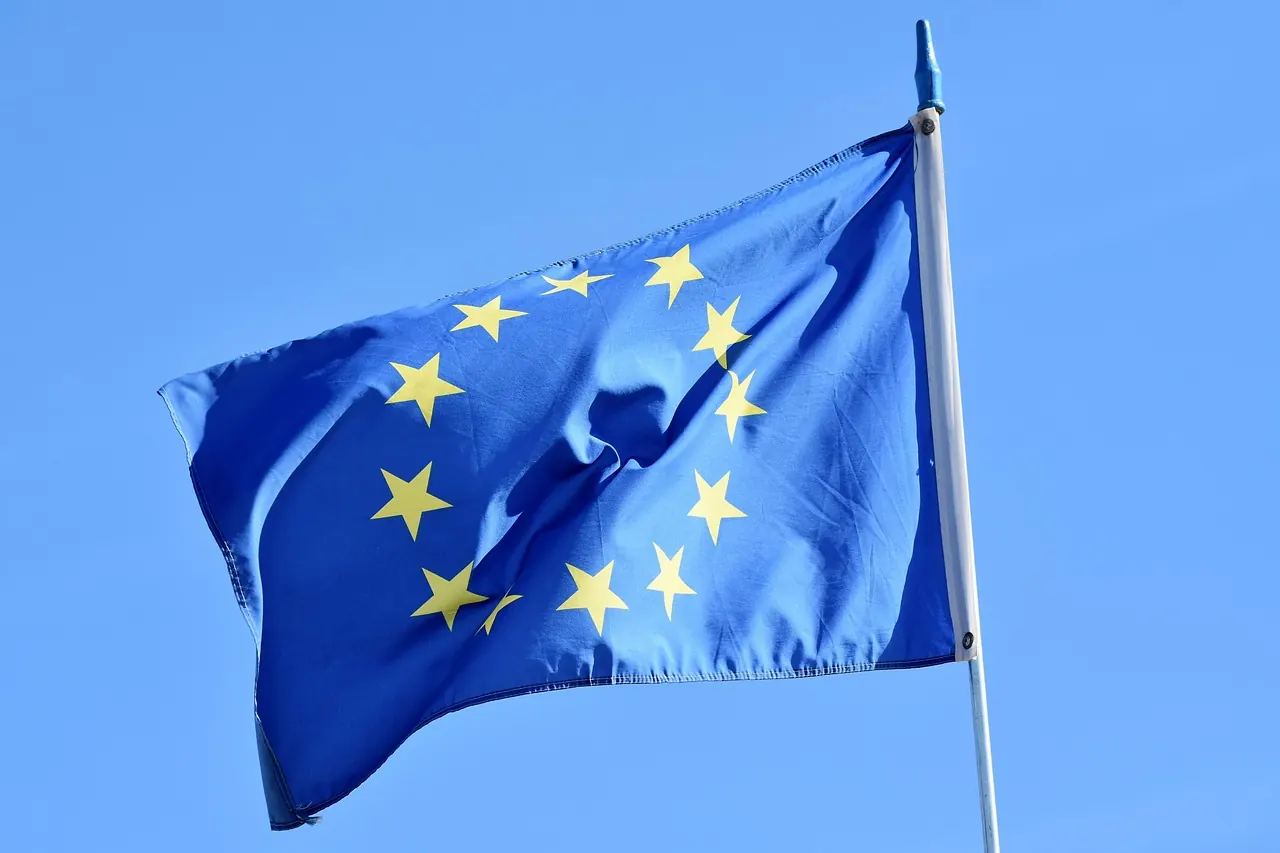
BRUSSELS, German Chancellor Friedrich Merz expressed surprise at the force of East Asian objections to a Franco-German plan limiting car subsidies to vehicles made in Europe. Officials across the continent then checked whether they had said “Europe” at sufficient volume.
The proposal follows a familiar European view of trade: defend it by putting a modest velvet rope around it, then look troubled when somebody from outside the rope asks what it is for. Supporters said it would encourage local production. Critics, regrettably, had produced objections locally.
At a briefing beside a scale model of a car park, Eulalia von Socket, deputy director of the invented Office for Pre-Existing Exceptions, said, “We thought a tariff was just a very firm welcome mat.” Her office had also prepared a second mat for countries excluded by the first, which was considered forward planning.
“We thought a tariff was just a very firm welcome mat.”
So the complaints arrived badly timed. They were received with the kind of surprise usually seen when a locked door turns out to work in both directions. A man standing nearby said European policymakers had spent years warning people about strategic dependence, then became emotionally dependent on the belief that nobody would object to theirs.
The Office for Pre-Existing Exceptions has circulated a diagram since then. It explains that a subsidy can be national or continental. It can also be strategic, temporary, green, fair, or all six at once, depending on where the arrows point. At the bottom sits a question mark wearing a tiny blue flag.
That diagram did not settle the wider question. An anonymous official, speaking from inside a filing cabinet marked INTERNATIONAL CONSEQUENCES, said the backlash might have been avoided if Europe had asked whether the rest of the world regarded Europe as a private room. The cabinet locked itself from inside shortly afterward, citing external pressure.
European leaders now have to explain why a policy intended to make European cars more European has made Europe look unexpectedly international. One suggestion is to call it Made in Europe, Please Do Not Take This Personally. The committee that counts commas in policy titles has not approved the wording yet.
For now, the plan stands as evidence of the continent’s belief that protectionism seems gentler when set in tasteful type. Somewhere, a subsidy is receiving a passport, a tiny customs form, and a private assurance that geography will make the case for it.