France And Germany Ask Europe To Define 'Made In Europe' Before It Gets Complicated
The two countries want separate electric-car rules, raising the prospect of a continent-wide argument over where a dashboard becomes European.
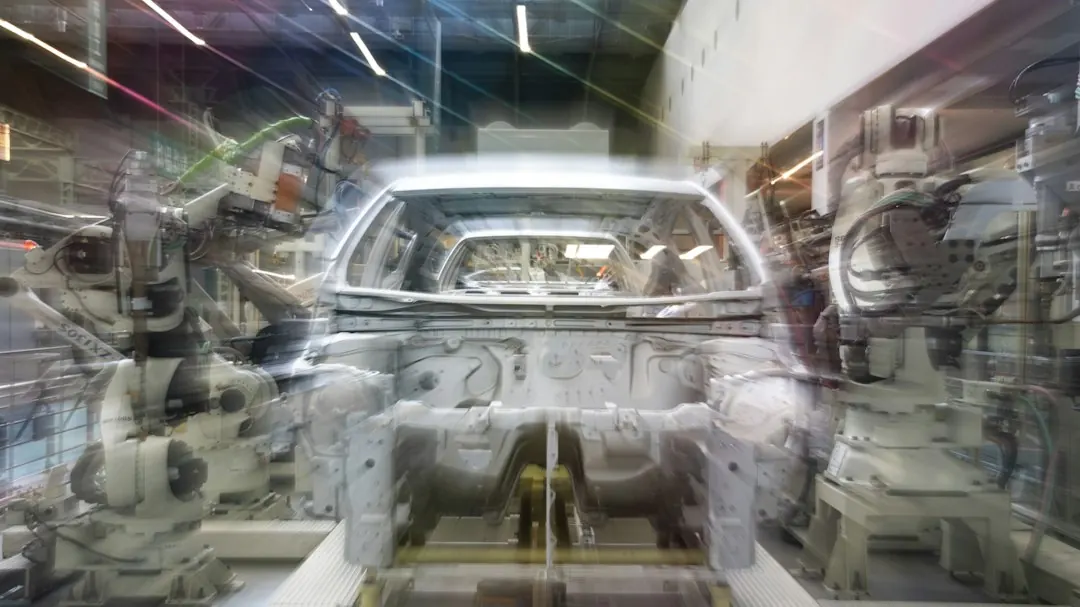
BRUSSELS, France and Germany have agreed on rules for “Made in Europe” electric cars and would prefer to keep them out of the European Union’s wider industrial legislation. This lets the two countries decide when a vehicle counts as European, ideally before it has finished crossing a border.
The proposal concerns the EU’s Industrial Accelerator Act, which sounds like industry was fed into a machine and told to hurry up. France and Germany want a carve-out for cars. Dedicated rules would apply instead of the larger European system, where a bonnet can still prompt a consultation.
That distinction matters. An electric car would be assessed by more than its assembly address; officials are also considering the emotional geography of its parts. A battery made in one country, fitted in another and admired in a third might qualify if the paperwork establishes enough continental belonging.
“A confident German cup holder is creating administrative uncertainty.”
“We need a clear definition of European manufacture,” said Clotilde Varnish, deputy coordinator of the Provisional Office for Geographic Feelings in Machinery. “At present, a car can contain European steel, non-European software and a very confident German cup holder, which is creating administrative uncertainty.”
The paperwork has drawn interest from Europe’s unofficial vehicle-origin infrastructure. The Committee for Wheels That Have Seen Things has prepared a preliminary test. Its chair, Otto Plume, said officials would ask where the car was built, where its costliest component came from, then whether it could pronounce “bureaucracy” without seeming imported.
The proposed rules would give France and Germany more control over what “Made in Europe” means for electric vehicles. The broader industrial legislation would continue doing what it was designed to do: make every other object wait in a corridor. Officials familiar with that corridor said it could already hold a small hatchback. Nobody knew whether the hatchback was European.
Manufacturers and consumers can now watch the continent draw a line around itself without catching a charging cable from somewhere else. A man standing beside a folder marked “Automotive Definitions” suggested labelling every car “Made in Europe” first, then requiring it to prove otherwise in writing.
For now, France and Germany have an agreement. The European car has an identity examination pending, and “Made in Europe” remains available for anything that has encountered a customs form. The final ruling depends on the EU deciding where Europe ends. It will also need parking.