Squirrels Launch Acorn Futures Market, Declare Bark Overvalued
Tiny traders have transformed a shopping precinct into a financial district, with pigeons brokering deals and a goldfish monitoring prosperity.
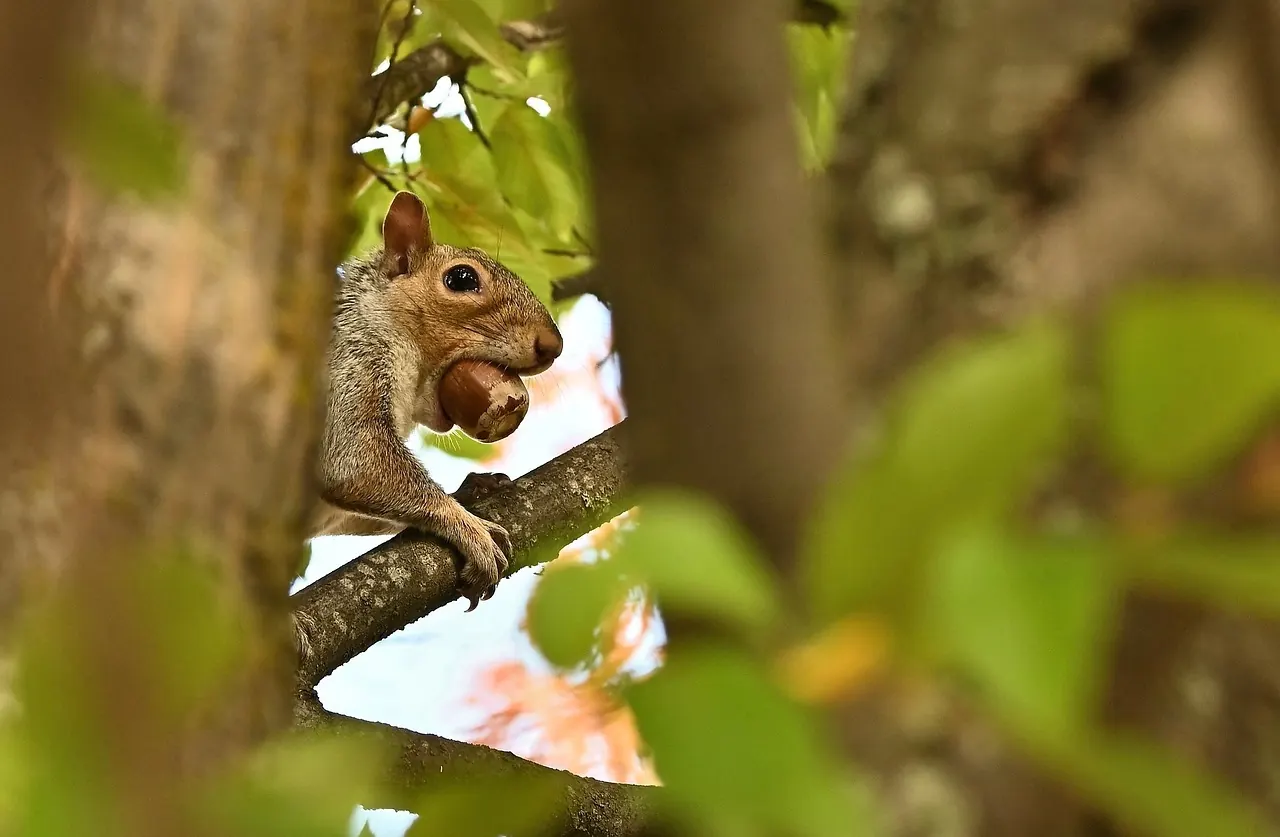
LOWER WOBBLEY, squirrels have opened the town’s first acorn futures market in a neglected shopping precinct, giving it the only financial district where tiny waistcoats are standard trading attire. Traders are now betting on next spring’s nuts. Morgan Ledger reports that the exchange opened after a grey squirrel put 400 acorns beneath a parking meter and declared liquidity available through several emphatic tail movements. Nobody independently checked this. Nobody asked the squirrel.
Prices are posted at the entrance on a hand-painted sign, in crumbs, buttons and one highly speculative shoelace. Myrtle Quill, the Senior Acorn Pricing Officer, said the market would help urban wildlife deal with seasonal uncertainty, rather than rely on the old practice of hiding food and forgetting where it went. “If the price rises, we simply bury more money,” Quill said. The exchange does not take cash. Squirrels regard wallets as “a human-shaped panic attack.”
That money has somewhere to go. Trading happens on a bench beside a fountain, recently promoted to deputy treasurer. Pigeons work the floor by marching in brisk circles and pecking at receipts. Odelia Fenchurch, a raccoon and Director of Night-Time Liquidity, has introduced a bond backed by three unconfirmed crumbs and a promise that a bakery window will stay unattended for six minutes. A committee of two pigeons and a discarded umbrella has already called it “solid.”
“If the price rises, we simply bury more money.”
The town’s Office of Street-Level Prosperity has advised residents against swapping rent money for acorn futures, unless they are happy to keep it in a flowerpot and explain matters to a sparrow. The notice followed reports from residents who received Squirrel Exchange invoices for “market exposure,” despite never seeing a squirrel, an exchange or an invoice small enough for a letterbox. Officials have declined to say who is paying them.
The warning arrived before noon, which was unfortunate timing. A blue jay announced that oak trees carried too much bark and ought to be broken into smaller, more decorative assets. Bark futures fell by 900 percent. Then a hedgehog in reading glasses bought the whole decline with a soup coupon. By closing time, the coupon had been labelled a distressed instrument and later upgraded to a medium-sized pastry.
Pavel Nib, Chief Whisker of the exchange, told investors to remain calm. The squirrel economy was “perfectly stable, provided nobody asks what the acorns are worth in regular money.” A queue had meanwhile formed outside the market after a fox offered eight hazelnuts and a handwritten pledge to look impressive near a lamppost in exchange for a municipal parking permit. The permit office accepted it as a bookmark.
By dusk, the exchange had logged a record number of trades, mainly between squirrels and themselves. Tansy Vell, the town hall’s temporary economist and a goldfish, calculated that local prosperity had risen by 14 acorns. The figure cannot be audited because the measuring bowl has been rented to a crow. The market reopens tomorrow, weather permitting, if the pigeons return the receipts. Residents should bring exact change, though squirrel law may already have made that illegal.