Unpopular opinion: Smartwatches Are a Scam as Big as the Motorised Toast Rack
Strapping a temperamental miniature television to your sleeve just to be insulted by an animated envelope is an affront to the history of pendulums.
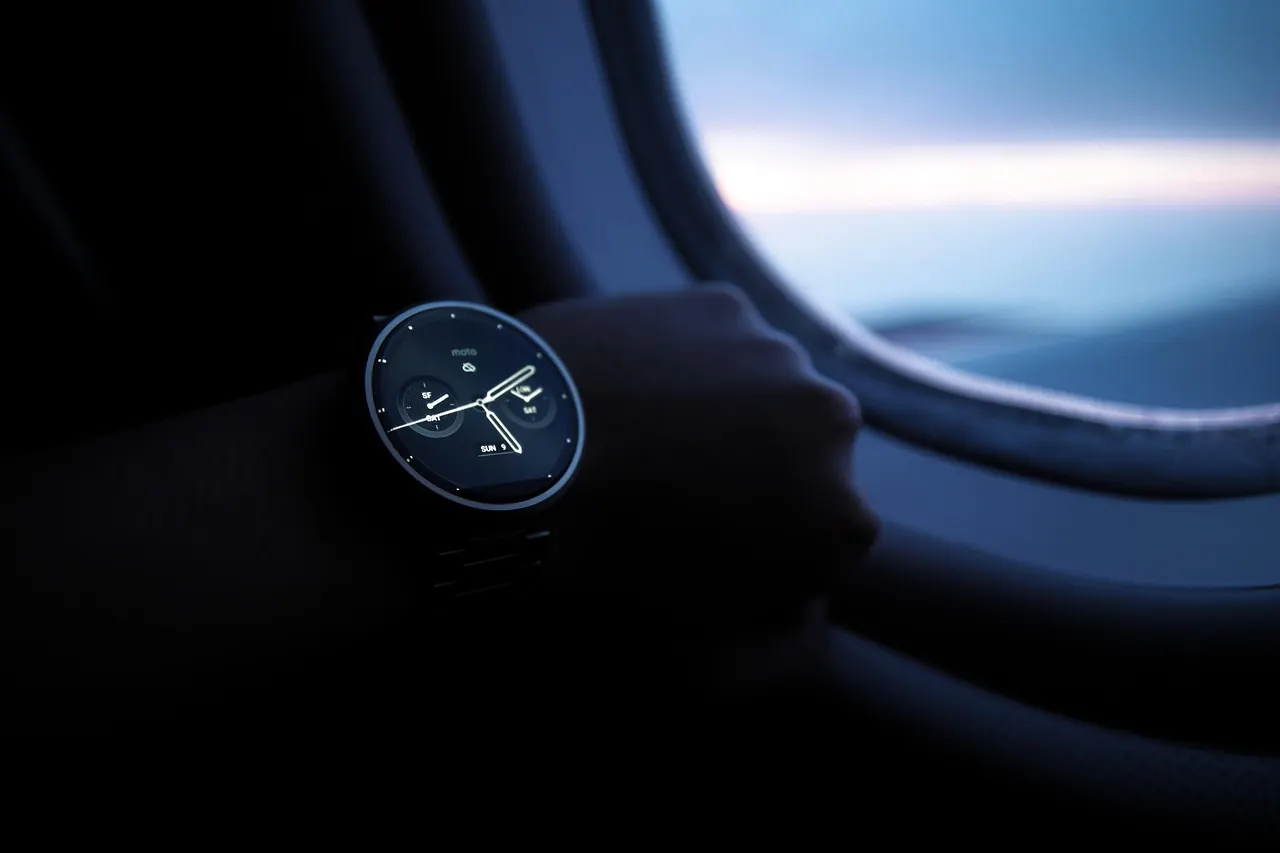
I kept quiet for six years while the civilised world strapped buzzing black rectangles to its wrists. Sensible adults now walk about tethered to temperamental silicon devices that need more attention than a prize orchid. The clockmakers will not say it, presumably because they are busy charging things. Smartwatches are a scam on the scale of the motorised toast rack, and society has suffered long enough.
The alleged purpose is simple: tell you the time. My brass mantle clock has managed this since the reign of King Edward, with no password reset, upgrade, or little round icon asking whether I accept its terms. I look over and see half-past three. It does not tremble because somebody three towns away has uploaded a photograph of a paving slab. A clock should mind its own business. It should not behave like an attention-starved ferret attached to your sleeve.
That became clear last Tuesday by the compost bins. My neighbour Alistair Prout had bought a premium digital watch module and cornered me to demonstrate its wonders. The thing began buzzing with such urgency that I assumed a small animal was trapped beneath the screen. Alistair tapped it seven times, squinted at the glare, then announced it required thirty minutes of complete silence to recalibrate its calendar. We stood in wet grass while his watch had a private sulk.
“A watch should not behave like an attention-starved ferret strapped to your sleeve.”
And then there is power. A traditional watch asks for the crown to be turned once a fortnight, which is a civilised arrangement. The smartwatch has the endurance of a frightened moth. Leave it off its miniature saucer overnight and it expires before breakfast, taking your pulse history with it. I will not keep a mechanical pet that survives by electrical umbilical cord. Recently I strapped an ordinary potato to an analogue timer. The potato held its charge for three weeks. It also left me alone during my nap.
Battery life would be bad enough. The defenders point to the extra functions, as if this settles the matter. It shows you the weather, they say. I have an east-facing window. When water falls from the sky, I conclude that it is raining; the window has never run out of memory because the clouds went grey. They also admire the touchscreen. Pressing a square centimetre of glass with a fountain pen is an insult to engineering. Last month, Alistair tried to check the date and bought twenty-four litres of driveway sealant.
By then, the profession had already misplaced its spine. Horace Flack, chief ombudsman at the Department of Unnecessary Chronometry, recently claimed that modern homes suffer from too few digital interruptions. He is wrong. Scholars built civilisation by glancing at sundials, giving a thoughtful nod, and getting on with it. They did not stop halfway through a cathedral because a gadget had buzzed to report an unread memo. Presumably the memo could wait.
So the standard remains straightforward. Until a portable timekeeper can churn half a pound of farmhouse butter or smell the wind and predict the postman, it has no business in a shop. I dismantled my nephew’s spare digital watch with a ball-peen hammer and found cold glass, a few tiny components, and misplaced vanity. My pocket chronometer weighs four pounds and ticks like a threshing machine. It has never interrupted afternoon tea to demand a password.