Campaign Ads Reach $10 Billion, Declare War On The Skip Button
As voters cut back on groceries and gas, political adverts have reportedly begun demanding tribute in the form of attention.
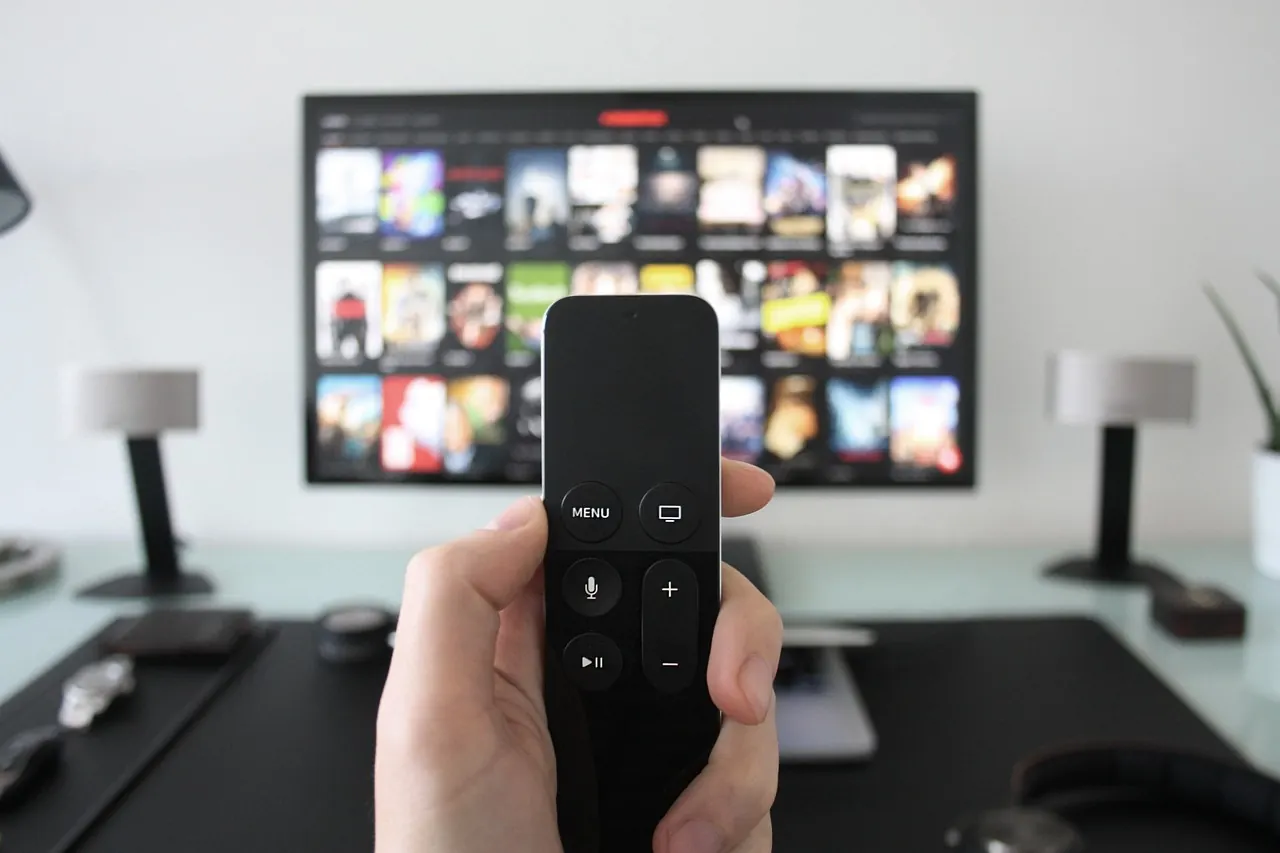
LOWER WOMBLEY, The nation’s campaign adverts have consumed more than $10 billion this election cycle. Voters are still paying for groceries and gas. Based on the real-world situation behind this report, officials now fear the next political message will arrive directly inside a shopping cart.
In the fictional town of Lower Wombley, the problem became hard to ignore when a 30-second advert tried to play on a toaster, a bus timetable and one unusually resistant potato. Each showed the same warning: “This message will resume after a brief interruption by another message.” The potato declined to comment, citing its lack of pores.
Marlowe Quince, deputy director of the Bureau of Electoral Attention, said the spending had produced a fresh kind of public infrastructure. “We used to have roads, bridges and libraries,” Quince said. “Now we have a highly emotional rectangle that tells you what to think before showing you a second highly emotional rectangle.”
“If campaigns can afford ten billion dollars, they can afford to explain themselves to a lasagna.”
The bureau has classified the skip button as a hostile foreign object. It started vanishing from screens whenever household budgets got especially tight. A spokesperson for the button spoke through a tiny brass megaphone and said several thousand exhausted viewers had placed it in protective custody. It is being kept in a biscuit tin.
That arrangement has drawn interest elsewhere. A coalition of kitchen appliances has begun a work-to-rule campaign against political advertising. Susan 4, a microwave who serves as the union’s treasurer, said members would heat leftovers only in exchange for equal airtime. “If campaigns can afford ten billion dollars, they can afford to explain themselves to a lasagna,” she said.
The proposed settlement requires every advert to provide one grocery item, half a tank of petrol and a legally binding promise to stop using the phrase “in these uncertain times.” Campaign committees rejected it in principle. Still, an anonymous official said one committee had already offered a banana and a handwritten coupon for emotional closure.
The terms remain unresolved. At press time, voters still had to watch an advert before seeing the price of eggs, the price of bread and a short educational film explaining why another advert was necessary. The Bureau of Electoral Attention said the system was functioning normally, apart from a brief period in which the entire democracy was redirected to an advertisement for a folding chair.
A man standing nearby said he could now identify 14 different kinds of solemn music from campaign ads alone. He tried to skip the next one, disappeared into a loading screen, then returned holding a receipt for $10 billion. It was marked “not a real expense,” but had feelings about it.