Queue At Public Office Applies For Permit To Become A Smaller Queue
Residents of Lower Wombley spent three days waiting for a ticket that would allow them to join a queue waiting for permission to leave the queue.
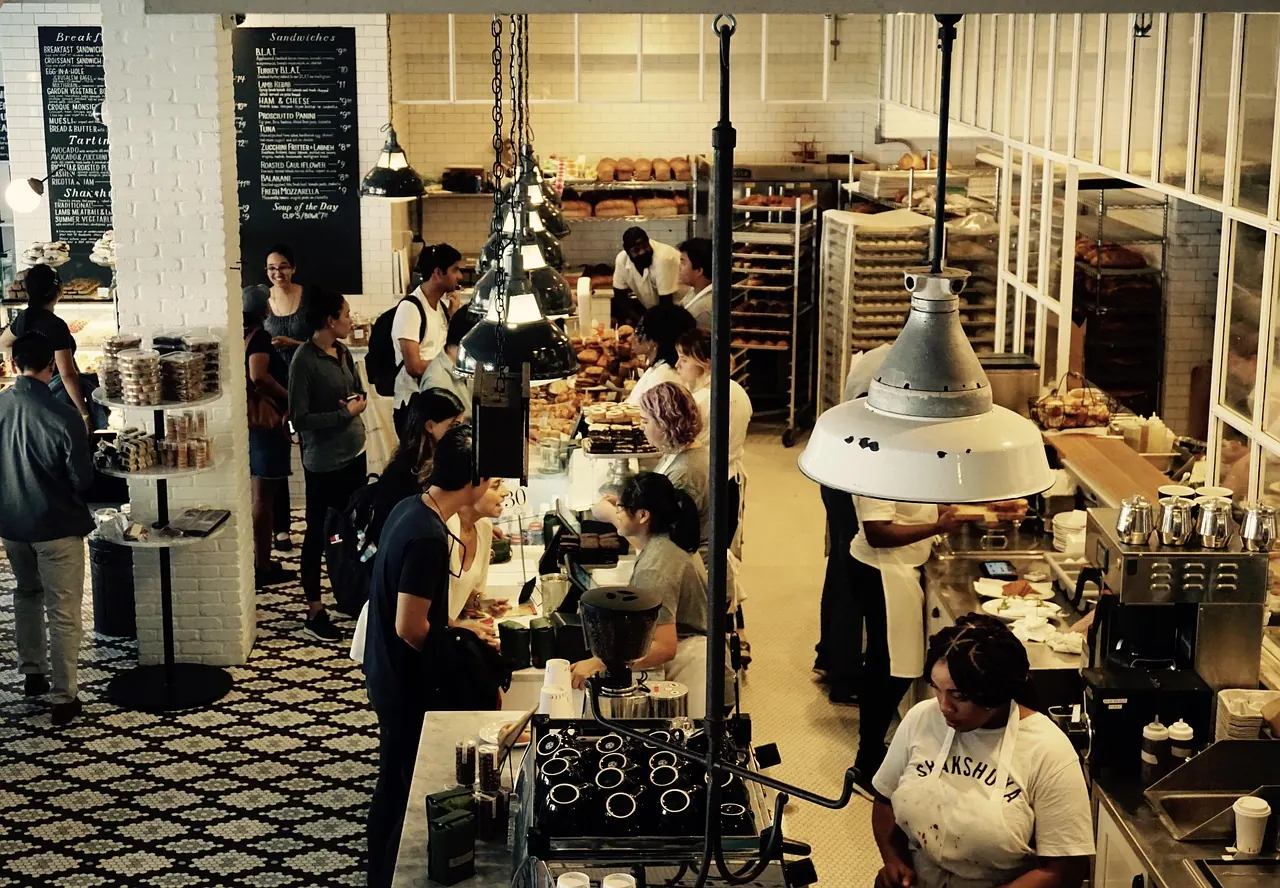
LOWER WOMBLEY, A queue at the Office of Civic Procedures has submitted an application to become a smaller queue, officials said, having spent the period since Tuesday morning standing behind it. Clive Niblet filed the application as the queue’s temporary representative. He is fourth in line, which gives him a level of authority seldom seen outside minor royal families.
The office deals in permits for standing, sitting and briefly pointing at things. Last week it replaced its ticket machine after visitors complained that the old one was too easy to reach. The new machine issues tickets only to people already holding tickets. The Ministry of Administrative Shapes called the arrangement “a refreshing circularity.”
By Thursday, the queue had extended as far as the ornamental pond. Three clerks watched it from the building, along with a municipal pigeon and a laminated sign that read PLEASE FORM AN ORDERLY LINE. People kept joining after being told it would move shortly. That assurance was withdrawn after the queue shifted six inches backwards and asked for a snack break.
“We simply want the dignity of becoming a modest queue.”
“We are not seeking special treatment,” Niblet said through the letter slot in the reception desk. “We simply believe that a queue of this magnitude should be allowed the dignity of becoming a modest queue. Perhaps with a tasteful waiting area. And one of those ropes used in museums.”
The pond did not settle matters. The proposal has gone to the Office of Queue Classification, formed after a basement corridor grew too long for the department to continue calling it a corridor. Its senior assessor, Drusilla Parch, said the queue could count as small if it cut its membership by 40 per cent. Nobody was permitted to leave before being served, though, and nobody could be served before leaving. The department has recorded this as an administrative dependency.
Tension rose for a while when a nearby man said he had seen the end of the queue. Forms appeared around him almost immediately. He was asked to declare that he had personally witnessed the end, recognised it as the end, and had not confused it with a decorative rope. He declined. Then he returned to his place behind a woman carrying a folder marked POSSIBLY IMPORTANT.
On Friday afternoon, the queue voted on whether it should remain a queue. The motion passed narrowly. One ballot came from the ticket machine and another from a coat stand. Officials said a public consultation would follow, along with a preliminary consultation into whether the public consultation had been properly queued. Niblet remains optimistic, provided optimism does not need a permit.
At closing time, the office had issued 12,000 numbered tickets. Every one bore the number 4. The queue is expected to stay where it is until the paperwork is complete, or until someone finds the form that lets a public office admit it has forgotten what the paperwork was for.