Cloned Number Plates Reportedly Living More Exciting Lives Than Their Owners
Innocent motorists say their cars are running red lights, while councils continue sending the vehicles their carefully curated consequences.
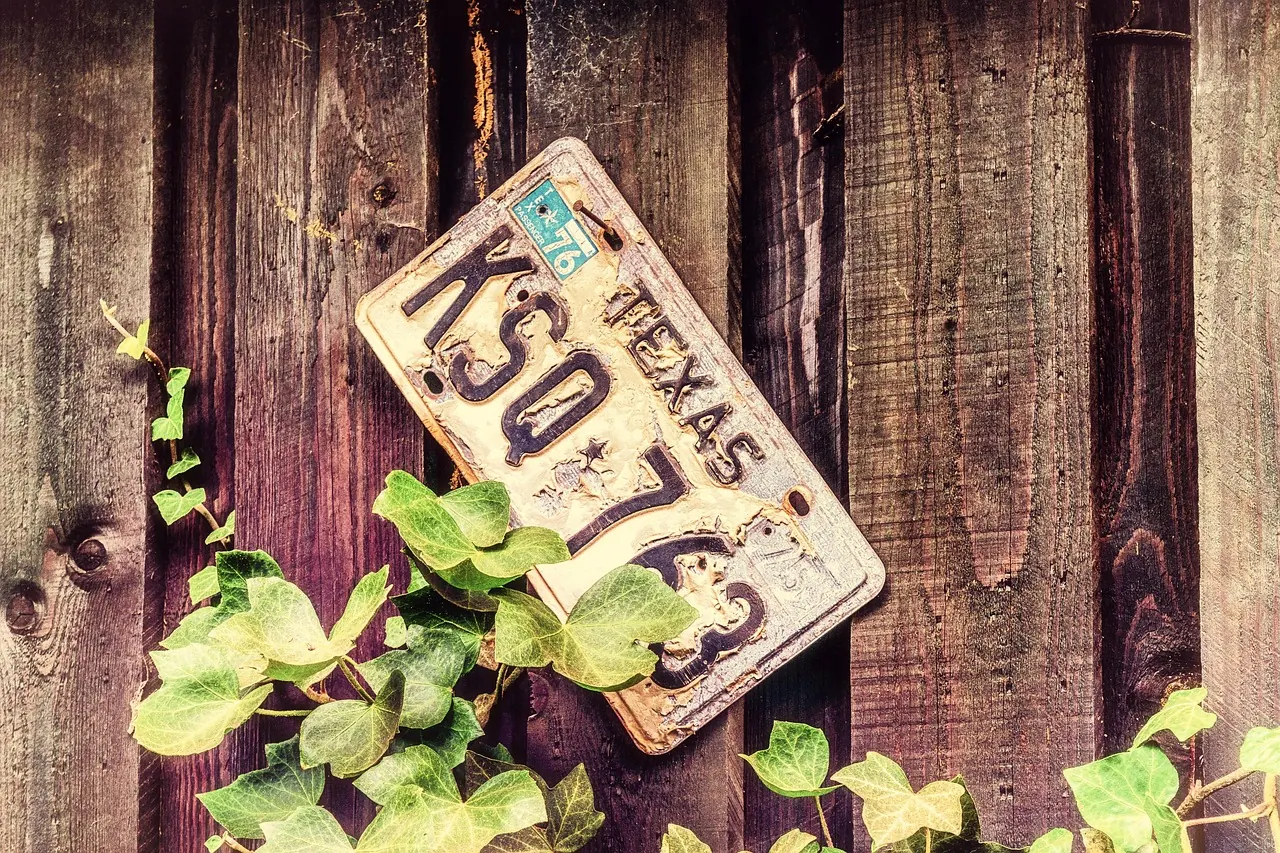
LONDON, A record number of British drivers have found their number plates pursuing independent careers, official data analysed by the RAC reportedly shows. Motorists are then left explaining why their stationary hatchbacks have been photographed speeding through junctions they have never visited. Linda Sources reports.
More than 11,400 drivers contacted the DVLA last year after fines arrived for offences apparently committed by vehicles using cloned versions of their plates. Many of the real cars were parked at home, or engaged in the demanding lifestyle choice of being nowhere near a road. Their copies appear to operate with considerable administrative confidence.
One ordinary family saloon, called Mildred by its owners, has allegedly appeared on enforcement cameras in three counties at once. At home, Mildred spends most evenings under a tree collecting leaves. Elsewhere, her alleged duplicate runs red lights, uses bus lanes and parks with the confidence of something that has read several books about consequences and rejected them.
“My car has a secret wardrobe and a strong commitment to ignoring signs.”
“My car has always been quiet and dependable,” said Trevor Pindle, fictional spokesperson for the Society of Vehicles With Alibis. “Apparently it has a secret wardrobe, a second social circle and a strong commitment to ignoring signs. I am starting to think it goes out after I lock it.”
This has raised a small constitutional problem. If a number plate can be copied, can it also form separate political opinions? A committee of experts in minor motoring disputes concluded that it cannot. It added that a plate may still be entitled to a private life, particularly when it is accused of entering a clean-air zone while its actual bodywork is in a garage failing an MOT.
Councils have dealt with the confusion in the customary manner: by continuing to demand payment and asking drivers to prove their cars were somewhere else. Suggested evidence includes photographs and witness statements. Difficult cases may require a notarised account from the vehicle itself. “We accept that the accused hatchback may have been asleep,” said Mabel Quince, deputy director of the imaginary Office for Obviously Different Cars. “Sleep is not a defence recognised by our current form.”
Some motorists now keep tiny diaries in glove compartments, so their cars can record their movements, motives and suspiciously energetic evenings. Others have requested distinctive plates with glitter, a family crest, or the words PLEASE NOTE, I AM THE ORIGINAL. The ministry has not endorsed any of this. A glittering plate, it said, would only make the paperwork harder to photocopy.
For now, innocent drivers remain stuck in a bureaucratic thriller featuring their own vehicles. Each envelope presents the same question. Was the car cloned, or has it become ambitious? Motorists are advised to inspect fines carefully, keep evidence of where they were, and avoid teaching their cars to use public transport.