Council Saves Estates After Office Reshuffle Accidentally Awakens Concrete
Two south London housing estates have survived demolition, prompting nearby paving slabs to demand union recognition and a ceremonial tea break.
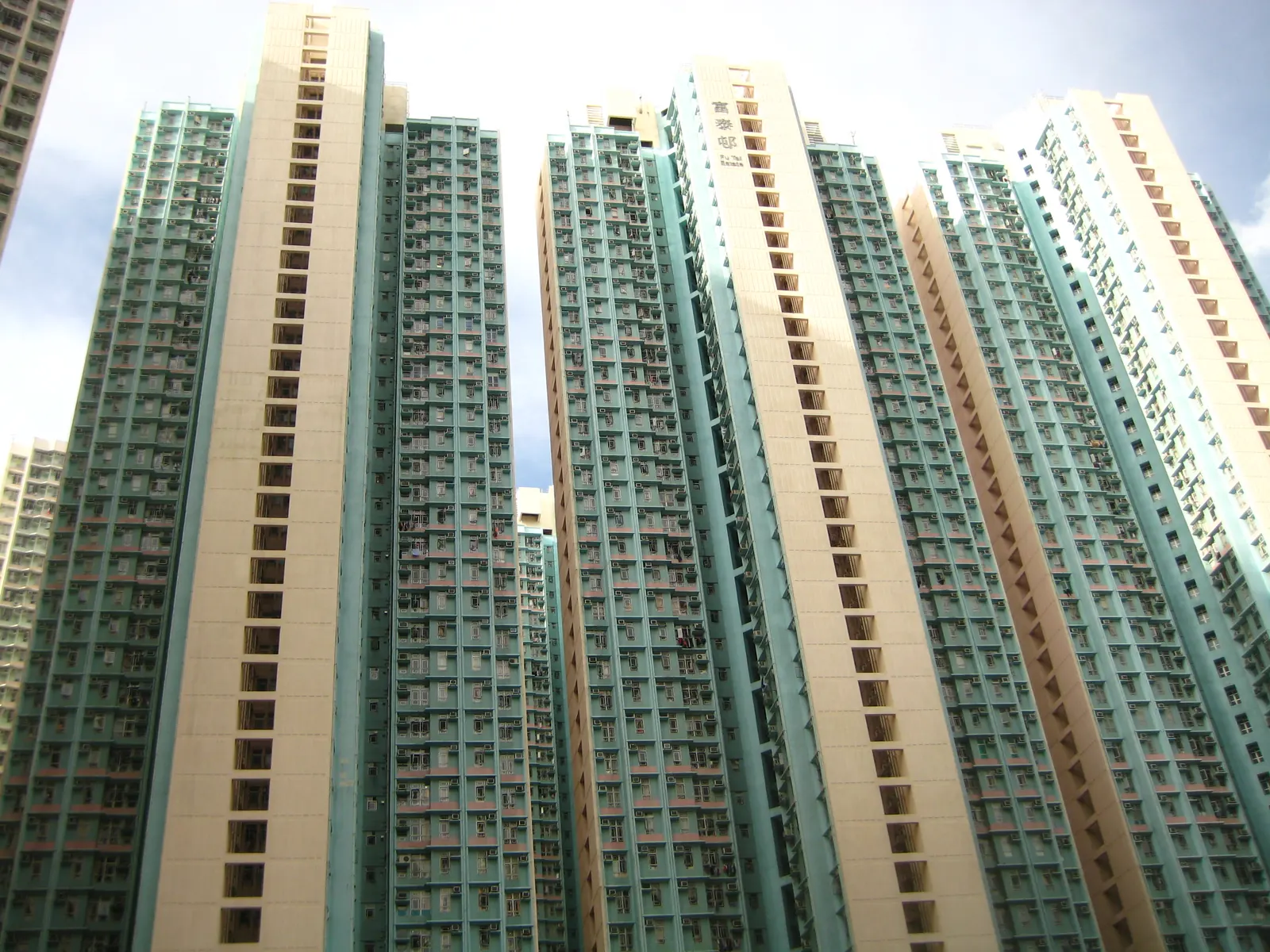
SOUTH LONDON, A ten-year effort to demolish two council estates from the 1960s collapsed this week after a council leadership reshuffle left the plan in a filing cabinet with firm opinions on architecture.
The estates will remain, along with their residents and their rather committed concrete. The original demolition plan has reportedly entered a quiet period of reflection since losing contact with its stapler.
Mavis Quill, a spokesperson for the Office of Unfinished Administrative Business, said staff found the plan under three meeting agendas and a laminated photograph of a very disappointed pigeon. “It was trembling,” Quill said. “We gave it a form, but it could only write ‘WHY’ in capital letters.”
“The demolition plan was trembling and could only write ‘why’.”
The concrete walls responded by forming a workers’ council. A balcony was elected chair. Then came a 42-page request for better emotional ventilation. The group wants official recognition as a historic architectural workforce, despite having two walls, a stairwell and a radiator that maintains it belongs to another union.
An emergency meeting took place in a bin store. The buildings voted unanimously to stay upright, then spent twenty minutes arguing over whether standing was political action or simply structural necessity. Fictional local official Cedric Waffle called it “the most orderly display of masonry self-determination since the bricks of 1974 briefly refused to be pointed.”
The paperwork now sits with a new department, Strategic Patience. It contains six empty chairs and a clock stopped at 3.17pm. Its interim director, Professor Nettle Crumb, said the department would review the plan when it received a completed form from the future.
Residents welcomed the reprieve, though several are watching the estates for signs of confidence. One balcony has requested a ceremonial sash, a public holiday and permission to make stern statements about underfunded lifts. The lift has applied for diplomatic immunity.
By evening, both estates stood over south London in silence, their windows lit in what appeared to be satisfaction. The demolition plan remained in its cabinet and had started a memoir, I Was Only Following Procedure.