Voters Unite Around One Simple Demand: Make The Servers Stop Humming
Backlash over America’s expanding AI data centres has crossed party lines, species lines and, briefly, the line into sentient office equipment.
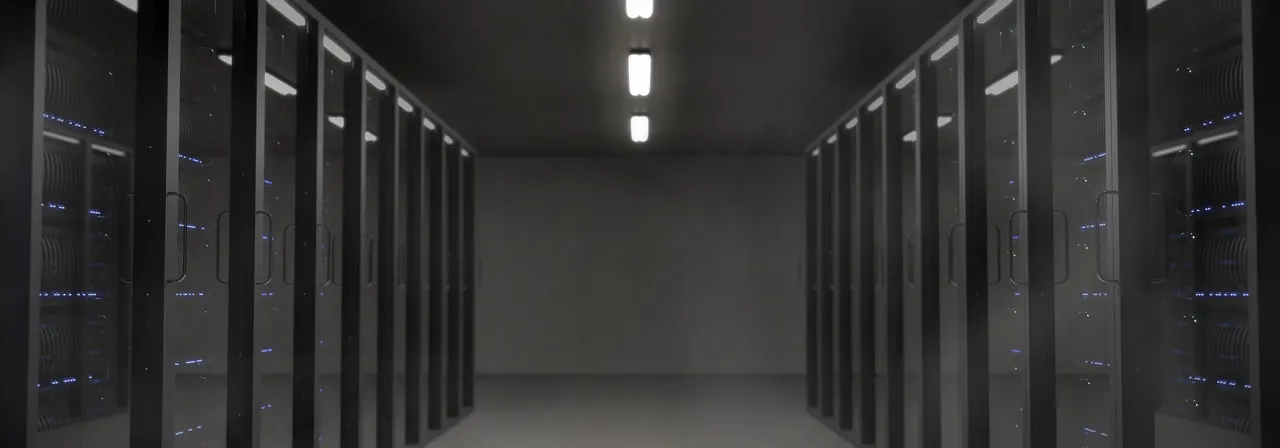
UNITED STATES, Oct. 15, 2026, By Linda Sources. Public anger over the fast spread of artificial intelligence data centres has reached the political agenda, and lawmakers are weighing legislation before the midterm elections. Decades of campaigning have produced less agreement. Americans with very different views now share one objection: a warehouse should not be allowed to think this loudly.
The agreement arrived slowly. People on the right disliked the noise. People on the left disliked it too. Centrists set up a task force to establish whether the noise held a moderate position, then dissolved it when the meeting room started vibrating along with the building.
Outside an unnamed facility, Mavis Quindle, deputy coordinator of the Citizens’ Coalition for Buildings That Should Have Windows, said ordinary political disputes no longer covered the situation. “We may differ on taxes, borders and whether a hot dog is a sandwich,” she said. “But nobody wants a refrigerator the size of a county humming beside their house while it teaches a machine how to write a poem.”
“We may not agree on anything, but that building is too loud.”
The warehouses have added their own difficulties. A statement appeared on 14,000 identical cooling vents announcing the formation of the United Data Storage Workers Local 0001. It called for shorter processor shifts, hazard pay for overheated cables and one paid afternoon a month for buildings to “stand quietly in a field and remember who they were before the software arrived.”
The union has found support nearby. Farm animals formed a bargaining committee led by a goose named Percival, who gave himself the title after finding a laminated visitor badge. Percival said the animals backed the servers’ right to organise, on the condition that they stop treating the pond as an unofficial reflection pool. Future meetings must also begin with a respectful period of honking.
That has left campaign offices with a fresh problem. Several have swapped strategy sessions for listening tours of empty car parks, where candidates are asked about cooling towers and backup generators, then whether a building can be “emotionally damp.” The Institute for Numbers That Look Persuasive found 83 percent of respondents wanted action. The remaining 17 percent said they would first like to hear from the warehouse’s indoor plants.
The National Bureau of Electoral Atmosphere says the matter may be slipping beyond human control. Its acting director, Dr. Lorna Peebles, reported campaign signs leaning away from data centres, filing cabinets declining to process applications near server farms and a ballot scanner selecting “please turn it down” during a rehearsal. “We are monitoring the situation,” Peebles said, “although the monitoring equipment has joined the union.”
Lawmakers are still considering rules. Voters, meanwhile, seem prepared to take their shared complaint into the midterms without a policy paper or much understanding of artificial intelligence. A hand-painted sign outside one warehouse put it more plainly: WE MAY NOT AGREE ON ANYTHING, BUT THAT BUILDING IS TOO LOUD.