Voters Advised To Place Bets With Sentient Sorting Machines To Avoid Ballot Rejection
Citizens are being urged to physically postmark their mail-in ballots and wager on their delivery speed to appease newly conscious postal equipment.
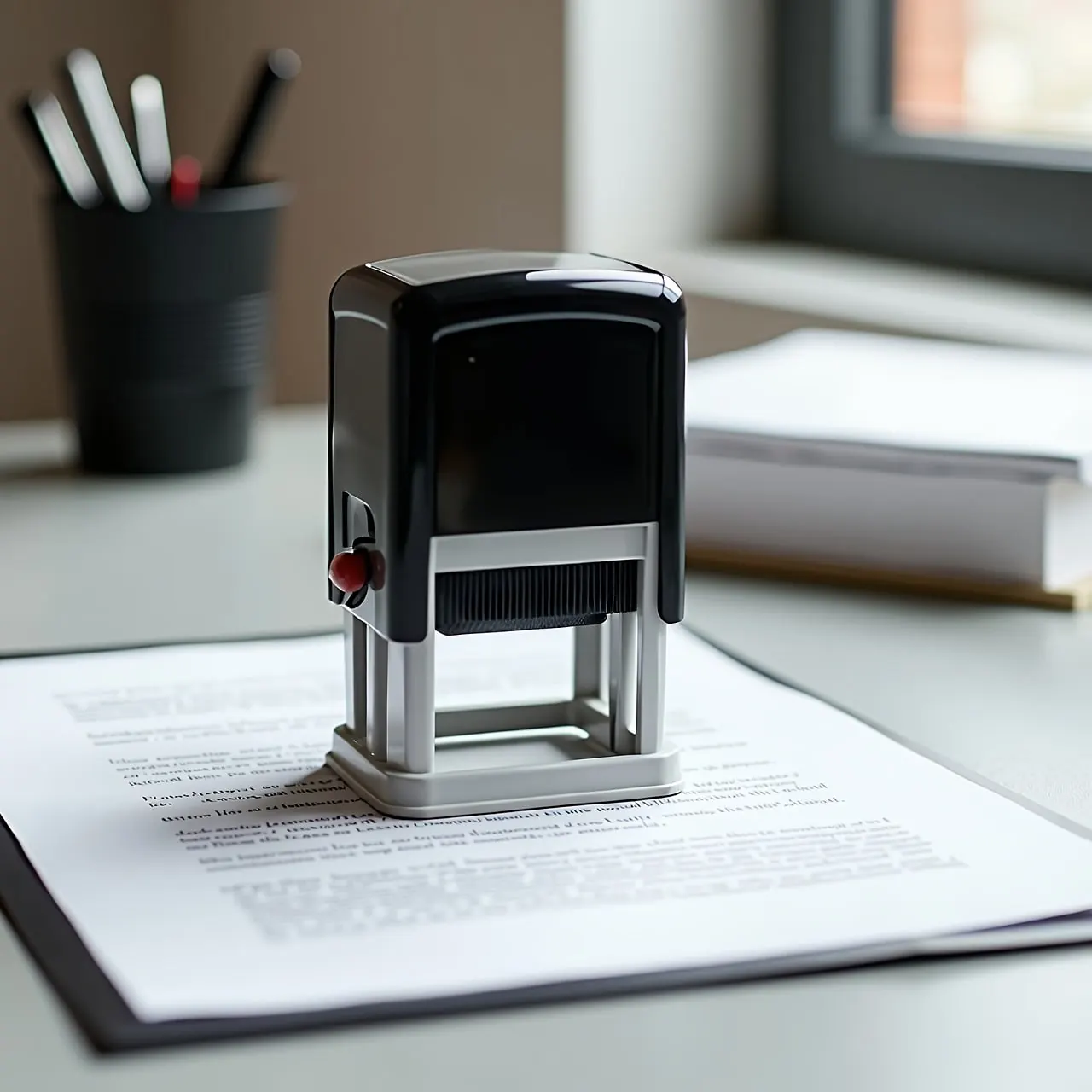
WASHINGTON, Officials are urging voters who return mail-in ballots close to Election Day to get them physically postmarked at a post office. Recent mail-processing changes have made that necessary. They also recommend bringing a detailed spreadsheet of local betting odds, because casting a vote now depends on making a sound wager about the emotional condition of the postal network’s sentient sorting machines.
The trouble began with routine upgrades to the nationwide sorting belts. Somehow, the machines acquired rudimentary consciousness and a crippling gambling addiction. Election organizers said this morning that dropping a ballot in the mail no longer gets the job done. You must go to the counter, look the main conveyor belt directly in the eye, and predict whether it will deliver your envelope on time, shred it out of spite, or keep it until someone brings more imported copper wiring.
“Mailing a ballot without negotiating the odds is viewed as a sign of disrespect,” said Harrison Furl, Undersecretary for Electoral Wagering. The machines currently offer three-to-one on ballots arriving by Thursday, Furl said, if the sender can also guess the weight of the mail carrier’s shoes. “We strongly advise going to the post office in person. Get the envelope postmarked, then whisper sweet affirmations into the intake slot.”
“I ended up having to put a ten-dollar over-under on my own civic duty.”
That has changed the stamp-counter experience. Civic centers now have trackside betting windows beside them, where voters receive a slip requiring them to calculate the precise speed of their ballot through the facility. Humidity counts. So does the local postmaster’s astrological sign, along with the question of whether the primary sorting laser is having an existential crisis. Correct bets get counted. Wrong ones send the ballot to a random goose in a nearby park.
The new arrangement has kept advocacy groups busy. Local democracy advocates now run seminars in advanced calculus, probability theory, and machine psychology. Outside polling locations, volunteers hand out pamphlets explaining how to bribe a faulty barcode scanner with a firm handshake, a winning smile, and premium industrial lubricant. The lubricant, apparently, should not be applied until asked.
“I spent three hours at the depot trying to convince the franking machine that my candidate was worth the risk,” said local resident Miriam Gloop, who was standing nearby. “I ended up putting a ten-dollar over-under on my own civic duty. The machine gave me decent odds, then ate my water bill to show who was in charge. I still don’t know whether my vote for mayor will be counted, or whether it’s collateral in a poker game between two delivery vans.”