Grid Inquiry Finds Nation’s Electricity Has Been Running On Kettle Abstinence
Investigators uncovered serious cultural issues, plus a secret national strategy based on nobody boiling water during hot weather.
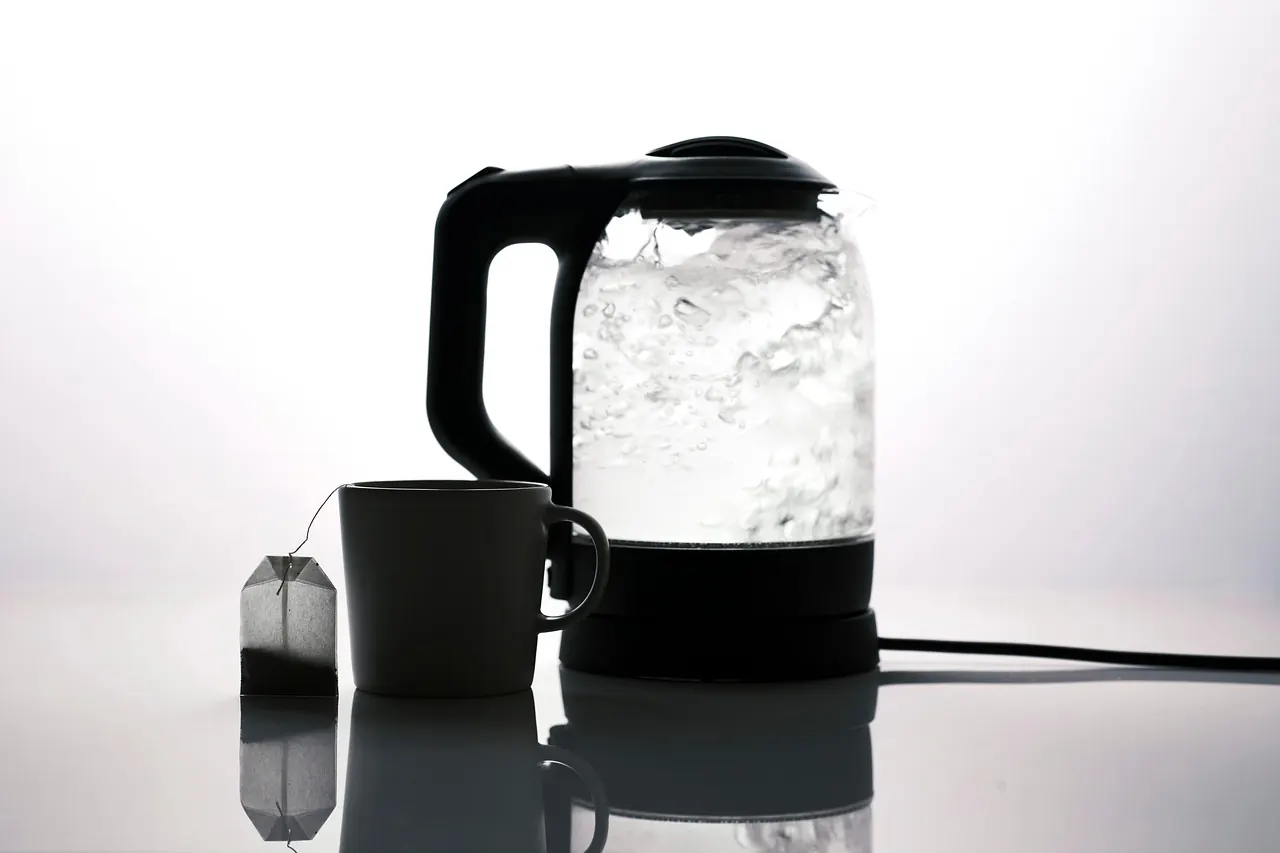
WESTMINSTER, An independent investigation into Great Britain’s power grid has found serious cultural and governance problems after whistleblowers raised blackout concerns during a June heatwave. It also found an arrangement officials described as impossible: the grid depended on the public declining to make tea.
By Linda Sources.
The report says electricity supply held steady because millions of residents were quietly expected to leave their kettles alone whenever temperatures rose above “pleasant cardigan conditions”. Nobody wrote this down. Any document would have needed storing somewhere, and that somewhere would presumably have required a plug.
“We have been boiling under pressure for years.”
Control-room engineers had raised real concerns during the heatwave. They cited stress, governance and the daily business of matching supply to demand. Then an investigator opened the emergency-planning folders and found the same handwritten note in every one: “NO BOILING, NO COLLAPSE.”
That was enough.
The Ministry of Necessary Explanations has admitted that its national-resilience model included a category called “avoidable beverages”. Fictional ministry spokesperson Clarissa Wobble said this covered tea and coffee, instant noodles, plus “any soup that has been emotionally heated rather than physically prepared”.
The kettles have since organised. They formed the United Association of Domestic Appliances and demanded recognition as essential workers. Trevor 9000, a brushed-steel kettle from Lower Wombley and the group’s elected leader, said appliances had been “boiling under pressure for years”. He said industrial action remained possible unless kettles received a proper lunch break and a small union flag.
Elsewhere, the fictional Office for Power-Related Feelings reported “low-voltage resentment” at several substations. One pylon allegedly stopped carrying electricity until somebody acknowledged that it was supporting the whole economy on its shoulders. A transformer nearby has asked for a quieter circuit, preferably one where nobody compares it with a toaster.
The Cabinet of Mild Concern is expected to announce an emergency protocol for alphabetised hot drinks. Households with surnames from A to F would boil water on Mondays. Everybody else gets a damp biscuit and instructions to remain calm. The policy will be reviewed after the next heatwave, assuming there is enough power left to print the review.
Investigators stressed that the real inquiry found troubling cultural and governance issues at Great Britain’s grid operator. The tea-based constitutional crisis is entirely imaginary. The kettles have nevertheless appointed a press secretary, a treasurer and a ceremonial whistle.