Burnham Declares War On The Parking Ticket Empire
New rules let drivers challenge private charges, prompting a heroic campaign against the nation’s most vindictive machines.
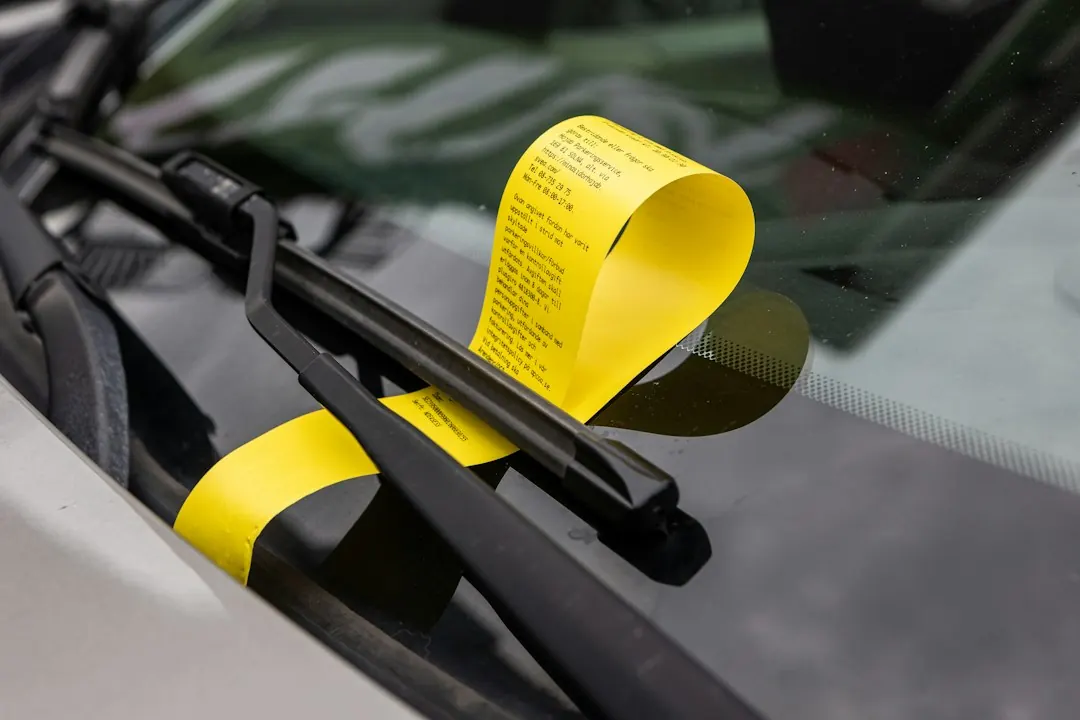
WESTMINSTER, Andy Burnham has vowed to end “rip-off parking charges” after rules were announced that let drivers in England, Scotland and Wales challenge private parking penalties. They include grace periods and cancellations for honest mistakes or ticket machines that have chosen a bad time to become ornamental.
The newly formed League of Extremely Concerned Officials took this as the first shot in a long struggle between drivers and the laminated-notice industry. “At last, the people have been handed a sword,” said Mavis Quill, interim director of the league’s Department of Heroic Warnings. “It is made of paperwork, but it has a surprisingly sharp corner.”
Under the imagined emergency plan, drivers would walk up to a parking sign as a medieval knight might enter a dragon’s cave. They would also, where practical, read the terms and conditions. Officials defined the grace period as “the brief but legally significant moment in which a person is technically parked yet spiritually still looking for a space.”
“At last, the people have been handed a sword made of paperwork.”
A man standing nearby said the system could alter the relationship between citizens and the envelopes that turn up on windscreens. “For years, the ticket has spoken only in capital letters,” he said. “Now the driver may answer in a calm font, with supporting documentation.”
That paperwork will have to go somewhere. The Ministry of Small Administrative Victories has reportedly prepared a ceremonial trumpet for each cancelled charge, though officials said the trumpet exists only in the imagination and will not be deployed in car parks. Successful motorists will instead receive the traditional prize: leaving without writing a 1,200-word appeal at 2:13 in the morning.
Parking machines have also been asked to improve their conduct by the Committee for Machines That Could Easily Have Worked. Its chair, Professor Nettleby Plug, said the devices should display clear instructions, take payment reliably and stop issuing error messages that sound like prophecies from a minor oracle. A modest request.
Then came the strategic concerns. Analysts at the Institute of Parking Geopolitics warned that private tickets could form alliances around shopping centres, while small plastic signs began demanding “jurisdiction over this bay.” The institute said no such alliances exist. It later conceded that one sign had been facing west in a manner deemed “strategically suggestive.”
For now, the real change is modest and useful. Drivers will have more ways to challenge private parking charges, along with grace periods and protection when they make an honest mistake or meet a broken machine. The imaginary revolution has already reached its final stage: a ticket disappears quietly, and everyone agrees the filing cabinet handled it.