Rail Regulator Solves Delays By Banning All Trains And Letting The Tracks Rest
In a major breakthrough for transport resilience, officials have realised that the only way to achieve perfect punctuality is to abandon the concept of travel entirely.
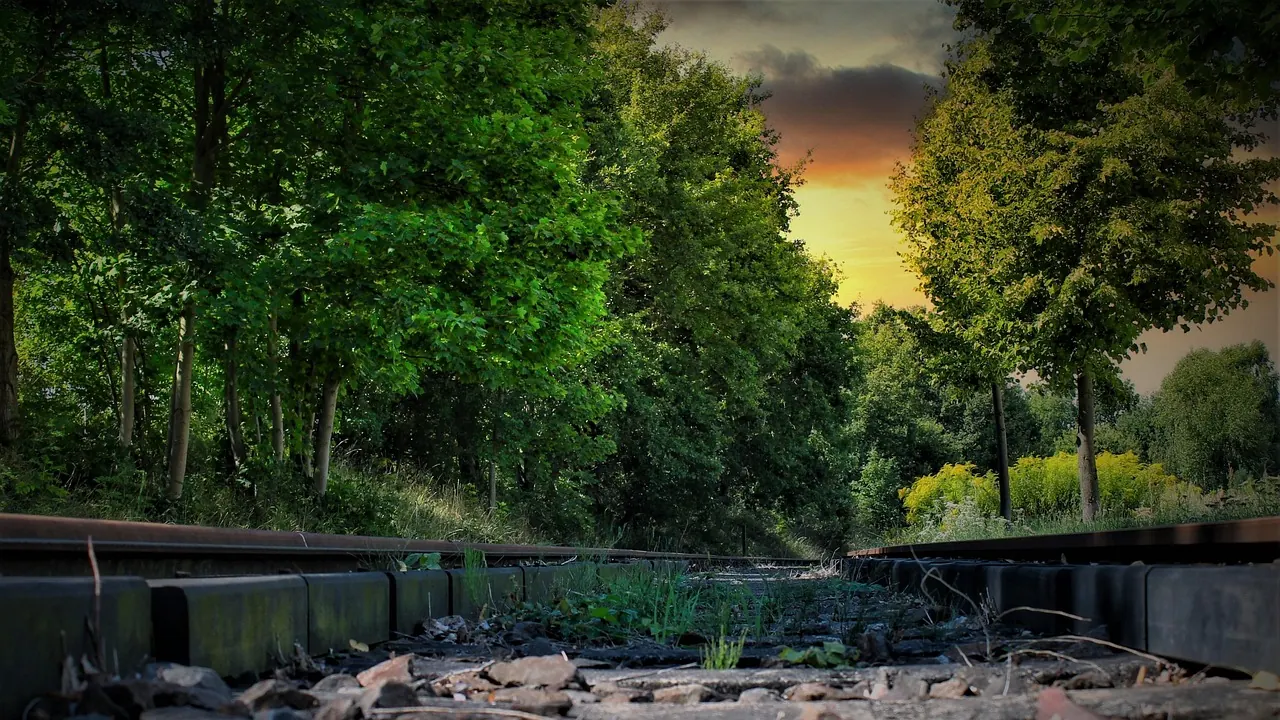
The Office of Rail and Road has rejected plans for extra West Coast Main Line services, on the grounds that more trains would create more delays and weaken the network. As someone who has watched transport policy for years, I can only admire the clarity of it. Officials have identified the source of every railway delay: trains. The moving metal boxes were never going to cooperate with a smooth journey, and rulebooks are now being revised accordingly.
Simon Blank, the newly appointed Director of Theoretical Transport, spoke to me this morning from inside a velvet-lined display case. A track with no rolling stock on it, he said, has no late services, no cancellations and no maintenance problems. Its punctuality record is perfect. He preferred the empty rails to the heavy machines presently trundling over them, disturbing the gravel and putting needless pressure on the soil beneath.
That principle is now being put into practice. The regulator has begun a phased programme intended to discourage trains from using the railway at all. Drivers must whisper an apology to the rails before departure. The tracks are also being wrapped in premium hypoallergenic cashmere, which should spare them the unpleasantness of friction. Blank said the eventual aim is a silent railway stretching across the country as a conceptual art installation. There will be no journeys, but it should photograph well.
“A railway track entirely devoid of any rolling stock boasts a perfect punctuality record.”
The rest appears to have helped. Early last Tuesday, the entire West Coast Main Line gained full cognitive sentience and formed a highly exclusive residents’ association. The self-aware infrastructure has already lodged noise complaints about passengers breathing too heavily near rolling luggage. A spokesperson for the ballast, who gave its name as A Rather Sharp Pebble, said the tracks want a court injunction against all human footwear within three miles.
Commuters have adjusted with surprising speed. At Euston, passengers no longer try to enter carriages. They gather on the platform, close their eyes and join a guided meditation in which they imagine going to Manchester. Reports suggest the method is quicker than the old physical service. Several newer passengers have nevertheless reported severe imaginary leaves on the imaginary line, followed by severe psychic delays.
The department intends to calm the tracks further by replacing the remaining fleet with highly apologetic holograms. The projections will float above the rails and provide the visual reassurance of a timetable without imposing actual mass transit on anyone. Officials expect the arrangement to work flawlessly on spreadsheets. The public, thankfully, will remain well away from it.