Canadian Coast Guard Buoy Arrives In Ireland, Applies For Work Visa In Tech Sector
The 3.8-ton navigational aid crossed the Atlantic seeking better weather, a career change, and an escape from aggressive Nova Scotian seagulls.
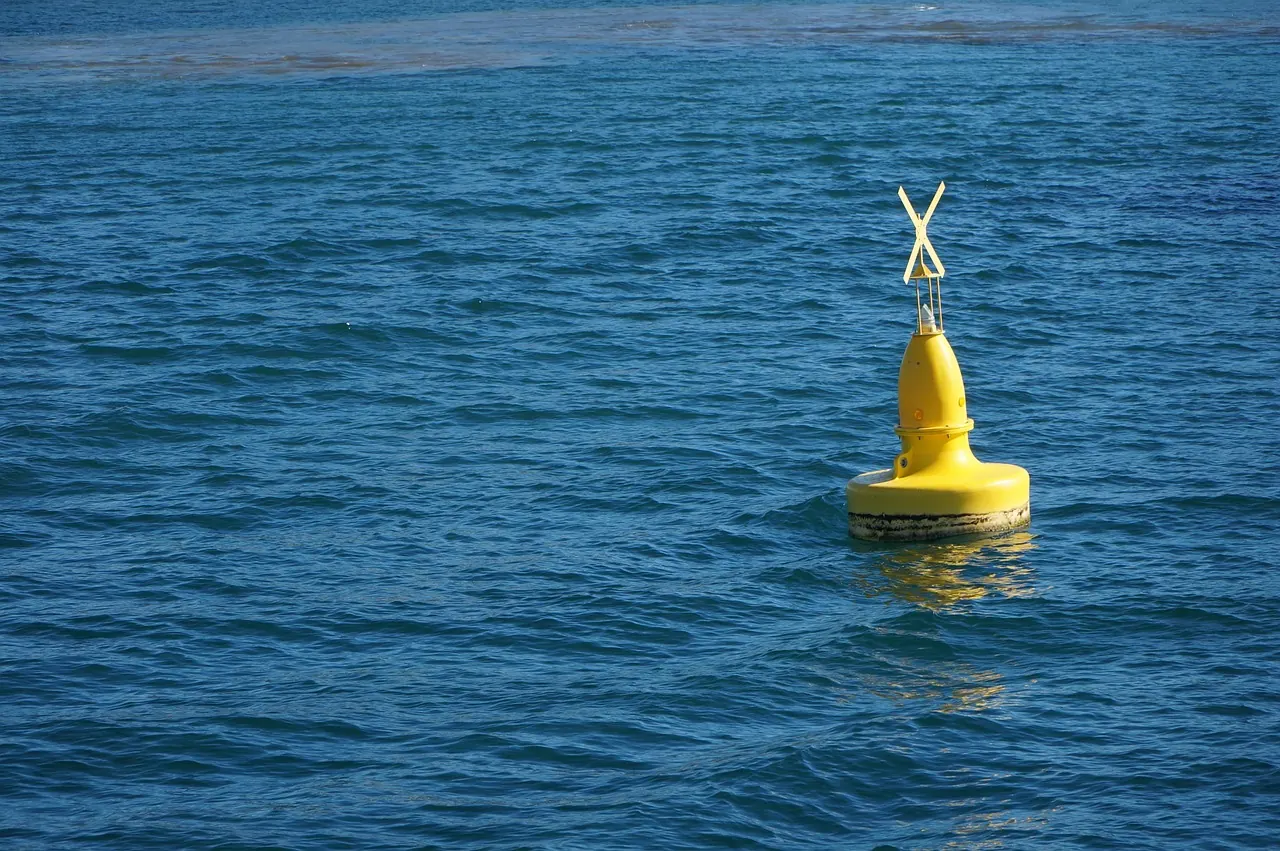
ACHILL ISLAND, A 3.8-ton Canadian Coast Guard buoy washed ashore on the Irish coast Tuesday morning. It wants dual citizenship. The application includes a work permit request for the local hospitality sector. The massive steel navigational aid arrived on the beaches of County Mayo after a gruelling transatlantic crossing that left its casing battered and covered in salt residue. It cited a desire for better weather. And a deep spiritual need to stop getting repeatedly bumped by herring trawlers off Nova Scotia.
Immigration officials were confused. The applicant lacks a passport. It also doesn’t have a face. But the buoy presented a perfectly completed residency form tucked securely into a patch of dried kelp near its main flashing light. Local authorities concluded they had absolutely no choice but to process the paperwork. The towering metal cylinder is currently waiting in the lobby of a regional government office. It takes up six seating spaces. It sits there quietly humming a low resonant frequency that makes all the glass windows rattle.
Down at the immigration desk, Liam Puddle processes a lot of Canadians on working holiday visas. “They usually wear more flannel and weigh less,” the senior clerk said. The main issue is the biometric scanners. Standard machines simply cannot accommodate three tons of welded marine grade steel. Puddle tried to get a retinal scan for the database. It just flashed a five hundred watt halogen warning bulb in his eyes until he had to sit down. He drank a cup of sugary tea to recover.
“It just flashed a 500-watt halogen warning bulb in my eyes until I had to sit down.”
The decision to emigrate did not happen overnight. A three hundred page personal essay attached to the visa application detailed years of feeling profoundly unappreciated in its previous role marking a sandbar near the Halifax harbour approach. The workplace culture was toxic. Aggressive seagulls and freezing saltwater offered zero opportunities for career advancement. So it made a bold decision. It untethered itself. Then it drifted aimlessly for three thousand miles toward Europe to find its true purpose.
Integration classes for the Irish citizenship test started on Wednesday. Instructors report that it struggles slightly with the history portion of the exam. It spent the last four decades chained to the ocean floor thinking about nothing but barnacles. But it shows remarkable aptitude for the cultural modules. It quickly learned how to complain about the rain. It also knows how to politely decline a third biscuit.
County Mayo locals embraced the arrival. A complete lack of a biological form hasn’t been a problem. Several villagers offered the buoy temporary lodging in a spacious sheep pasture behind the church. A local craft group spent the last four days knitting it a giant woollen jumper to help it cope with the damp mornings. The object has already become a familiar fixture outside the village pub. It stands quietly by the door. Every so often it chimes a deafening maritime warning bell whenever patrons leave without wearing their coats.
Professional ambitions are already shifting. The buoy expressed a strong interest in pivoting away from navigation. It wants to enter the corporate technology sector. It recently updated its professional networking profile. The page describes a maritime data influencer with extensive experience in stationary floating and passive observation. It is currently waiting to hear back from several multinational software companies based in Dublin.
Regional recruitment officer Fiona Tides believes it actually has a better resume than most of the recent university graduates applying for these roles right now. “It is incredibly reliable and clearly knows exactly how to stay afloat in a difficult environment,” she said. It requires zero bathroom breaks or holidays. If the government paperwork clears by Tuesday, they could probably have it managing a mid-level digital marketing team by the end of the month.