Chocolate Cookies Reclassified As Luxury Assets After Crumb Market Surges
A grocery-price analysis sends Lower Wombley’s biscuits into financial orbit, where they immediately demand better lighting.
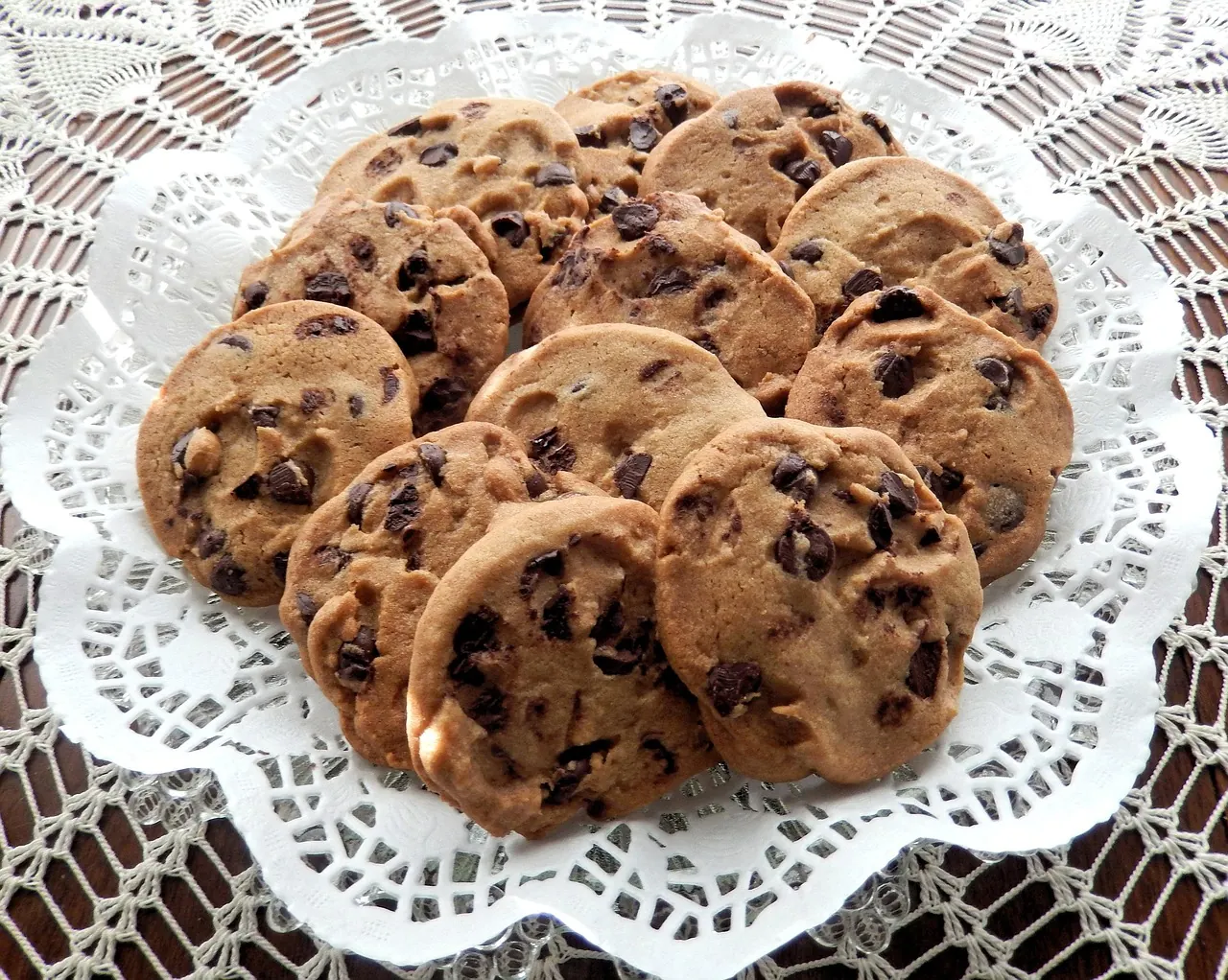
LOWER WOMBLEY, The price of ordinary groceries has become strange enough that the town’s Department of Ordinary Shopping is investigating whether chocolate chip cookies are investment vehicles in disguise. Officials reviewed the shifting prices of ground beef, eggs and cookies and found that each rises or falls for its own reasons. This explanation held up until the cookies hired a lawyer.
An emergency hearing took place beside the frozen peas. Marnie Quillpot, the Department’s senior biscuit assessor, ruled that packets of cookies would now count as luxury commodities, alongside gold, rare paintings and umbrellas that work properly. “The market is clearly saying these biscuits deserve a velvet rope,” Quillpot said, placing a cookie in a glass case marked DO NOT TAP.
The ruling required some arithmetic. Economists brought out the Crumble-Adjusted Snack Valuation Engine, a financial model with 14 spreadsheets, a brass bell and a small drawer labelled “Other Feelings.” It found that cocoa, flour and sugar costs all mattered. So did supply, weather, investor confidence and the cookies’ expanding conviction that they were above everyone else.
“The market is clearly saying these biscuits deserve a velvet rope.”
Eggs took a different view of proceedings. They arrived in tiny paper badges and asked to be recognised as a seasonal workforce. Their elected representative, Henrietta Shell, said eggs accepted price fluctuations but wanted notice before anyone arranged them into pyramids. “We are not saying every egg needs a pension,” Shell said. “We are saying the omelette sector cannot keep calling us interchangeable.”
Ground beef submitted a 46-page report. It argued that comparing it with snacks in cheerful packaging was plainly unfair, which was difficult to dispute until officials noticed that every page was a coupon for gravy. A man standing by the weighing scales called this evidence of the meat’s “strong negotiating instincts.” He left before anyone could get his name.
Then the price labels began speaking for themselves. The one marked £3.49 said it felt “emotionally closer to £4.” A discount sticker declined to cover a jar of coffee because it had “boundaries.” Clerks were told to stay calm and avoid eye contact with the stationery. By closing time, the shelves had formed a committee and demanded transparent governance, regular dusting and one afternoon off.
Officials advised shoppers to buy groceries according to need, budget and their personal tolerance for pastry-related drama. The cookies dismissed the advice. They plan to list on the Lower Wombley Exchange under the ticker CRUM, once they settle whether a broken biscuit counts as a stock split.