Squirrels Launch Emergency Currency After Acorn Prices Enter ‘Ludicrous’ Territory
Lower Wombley’s urban squirrels have introduced a nut-backed currency, despite having no banks, pockets or understanding of inflation.
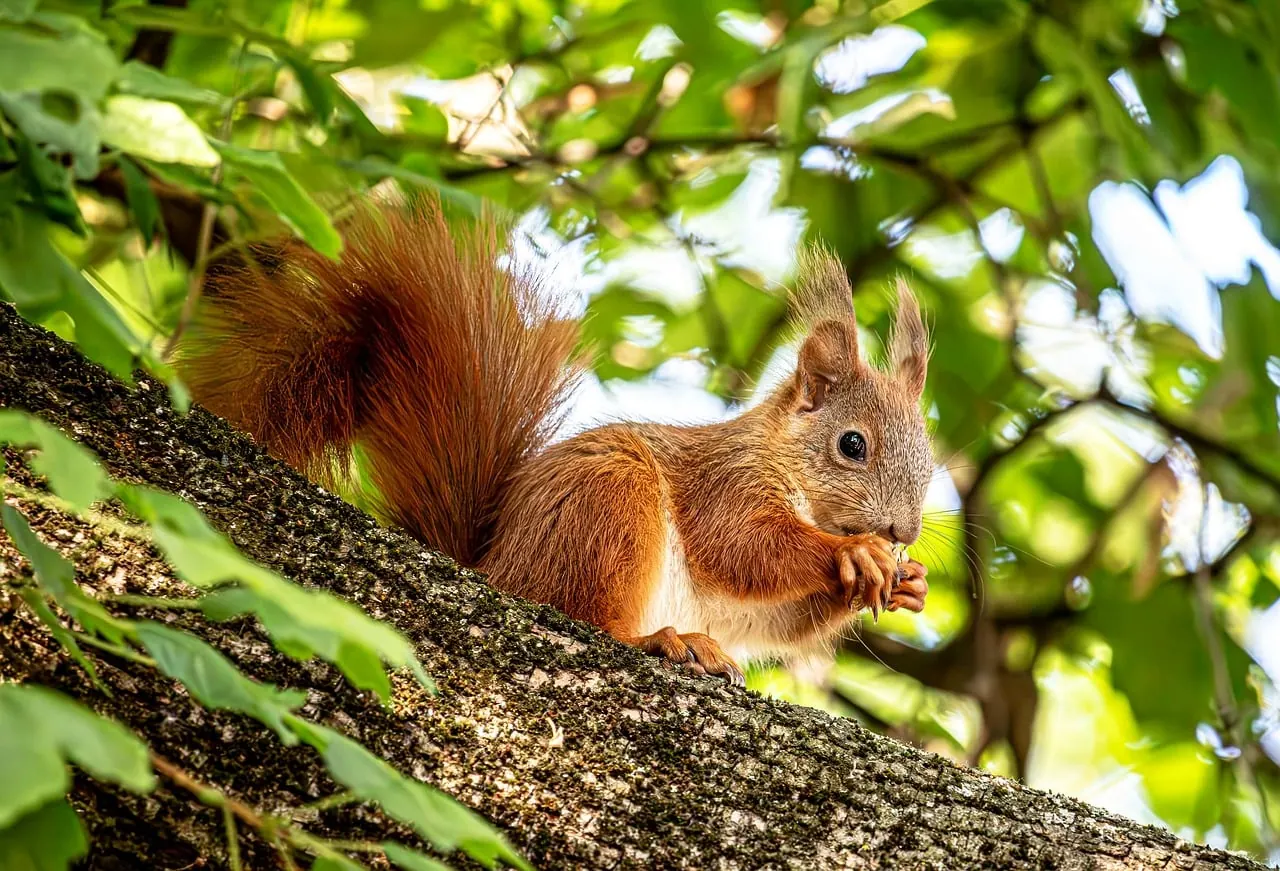
LOWER WOMBLEY, The city’s squirrels launched an emergency currency Tuesday after one acorn reached what officials called “a frankly theatrical amount.” The notes are called Scruffins. They are printed on fallen leaves and backed by three hazelnuts buried somewhere near a bus shelter.
Myrtle Quibble, chief treasurer of the Lower Wombley Tree-Ring Exchange, unveiled them beneath a tree that had seen better years. She said speculation, rain and one unusually confident pigeon had ruined the squirrel economy. Every Scruffin carries a walnut in a tiny top hat. Nobody present could say why, and the matter was left there.
One Scruffin buys a squirrel-approved acorn. Two buy a walnut of “respectable girth,” while 14 will get you a conker that has avoided being stepped on. Shops, libraries and the municipal fountain do not accept the notes. A few pigeons do, in return for personal space.
“The market became unstable when squirrels began charging rent on branches.”
That was only the visible problem. Some squirrels had started charging storage fees for tree holes; elsewhere, variable-rate mortgages were being offered on branches belonging to other squirrels. Clive Pebble, senior director of Buried Assets, said the market had become so unstable that he now hid his savings in increasingly obvious places.
The town’s Office of Small Urban Financial Creatures issued guidance soon after. Residents should not put Scruffins in wallets, washing machines or birthday cards, where they can be mistaken for damp leaves. Asking a squirrel for change is also discouraged. It has previously produced “a prolonged discussion involving six chestnuts and an accusation of treason.”
Officials then moved to contain the damage. The Tree-Ring Exchange plans to keep a central reserve inside an abandoned flowerpot, guarded by seven pigeons who signed confidentiality agreements with their footprints. Their first assignment is deciding whether a shiny bottle cap counts as foreign investment. It has not gone smoothly.
Economists in the nearby hedgerows remain divided. An anonymous vole called the scheme “the worst monetary policy since someone tried to pay a fox in buttons.” A man standing nearby said he admired the squirrels’ confidence. Local children have already begun swapping Scruffins for stickers, which gives the currency a use that several national currencies would probably envy.
By Wednesday afternoon, a gust of wind had carried 400 Scruffins into a pond and the exchange rate dropped sharply. Quibble urged calm. The notes, she said, remained “fully backed by optimism, moderate digging and one walnut we are not currently able to locate.”