Rain Delays Cricket, Prompts Five-Day Celebration Of Watching Weather
Players remain ready as ground staff inspect the wet outfield and spectators discover that radar has a surprisingly strong defensive technique.
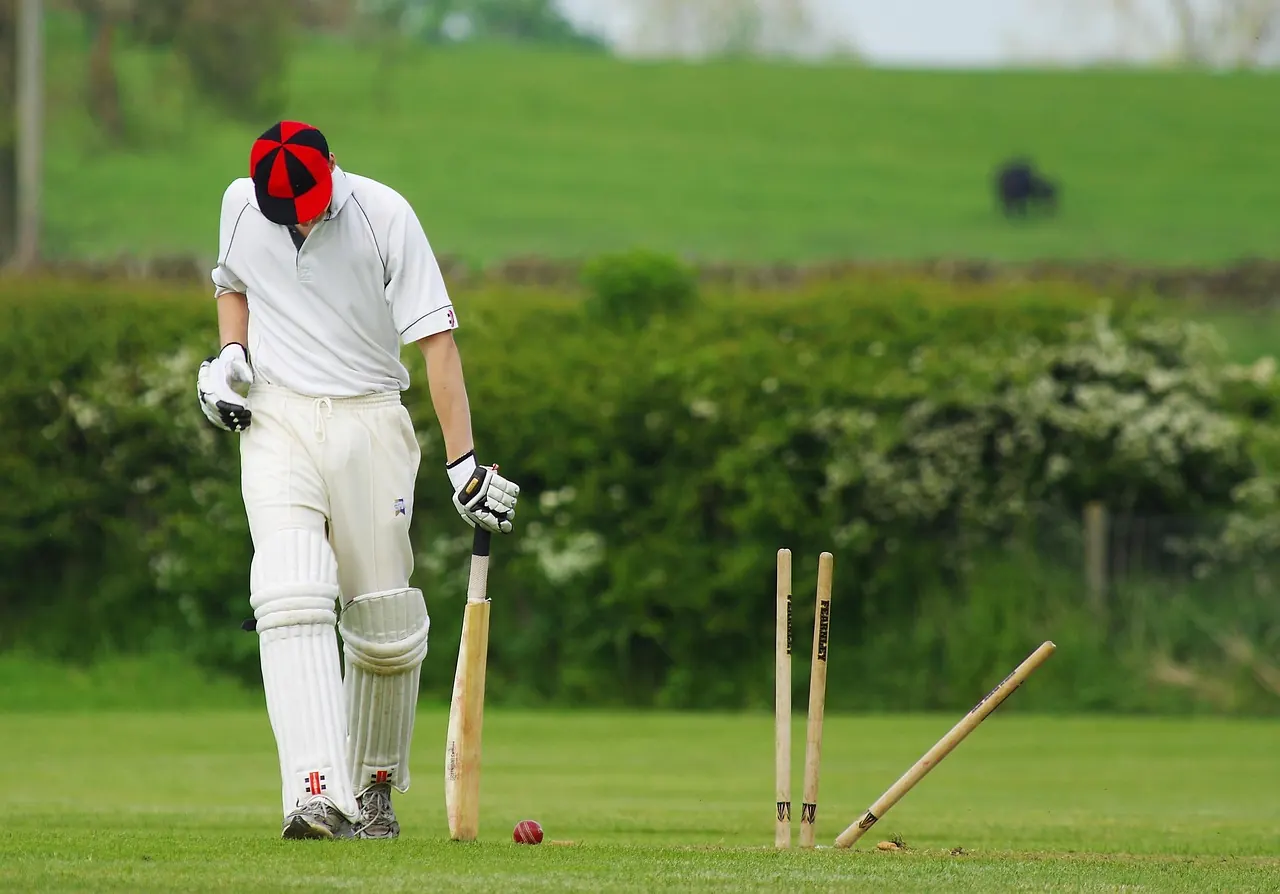
GQEBERHA, The second men’s Test between South Africa and Australia reached day two with rain firmly in charge. It declined to bowl, but its line and length remained excellent. Ground staff worked over the wet outfield while everyone else watched the sky as if it were the final over.
Officials delayed play to decide whether the surface was fit for cricket. This became the day’s main contest. A patch of grass seemed to dry for a few seconds, then a passing cloud delivered a hostile ball.
The International Bureau of Sporting Suspense said the delay marked an evolution in athletic entertainment. Lyle Pumphrey, its deputy director of Moisture-Based Competition, said modern audiences now wanted “the emotional range of a five-day Test compressed into the single question of whether a puddle has stopped being a puddle.”
“A puddle has stopped being a puddle. The tension is unbearable.”
Fans refreshed rain-radar apps, compared coloured blobs and developed firm tactical views about winds arriving from directions they had not considered before breakfast. One man nearby said he had never seen so many people celebrate a forecast moving from 80 per cent rain to 70 per cent.
The ground staff carried on with the authority of a side defending a small total on a wearing pitch. Every measured step across the outfield prompted thousands of remote analysts to ask whether the foot had sunk, slipped or simply shown concern. A representative from the Unscheduled Weather Review Panel called it “a masterclass in making absolutely sure before doing anything.”
By late morning there were no new batting figures, bowling figures or dramatic dismissals. Still, people remained committed to the prospect of something happening after lunch. Rain radar had become the scoreboard. The horizon was now the third umpire.
The players waited. The outfield waited too, which is easier when you have no choice in the matter. Clouds continued to supply the tactical uncertainty cricket has spent centuries trying to manufacture. If conditions improve, play will resume. Until then, day two remains five days of watching weather approach and insisting that this counts as the game.