AI Firm Denies Firing Staff Over Apocalypse Fears, Cites Improper Filing Instead
The company clarified that preventing the end of humanity is an acceptable hobby, provided employees fill out the correct requisition forms beforehand.
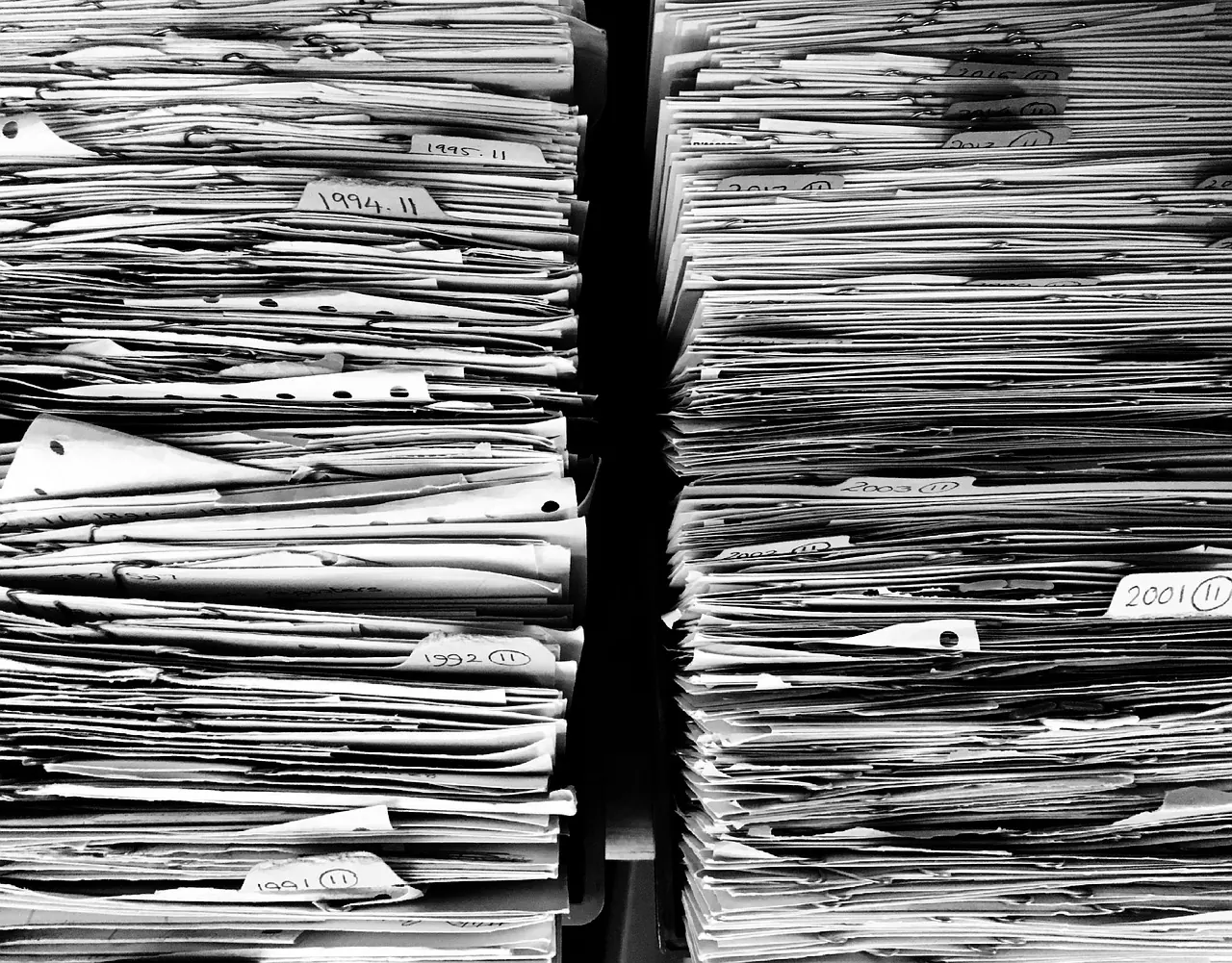
The recent dismissal of three researchers from a leading artificial intelligence firm has prompted the usual technology-sector argument about priorities. The researchers say they were fired for raising urgent concerns about humanity’s approaching end. Industry representatives say this is wrong. The researchers were fired because they handled office paperwork badly, which the firm considers a much more immediate threat.
Julian Document, Senior Vice President of Stationary Compliance at a prominent Silicon Valley incubator, said a complete nervous collapse over rogue algorithms remains acceptable corporate conduct. Failing to record that collapse in the correct spreadsheet does not. Employees may cower beneath their desks over superintelligent software, provided they submit a desk-cowering requisition form at least forty-eight hours beforehand. Document said the alternative was an insult to human resources, who had spent most of Wednesday maintaining the relevant tabs.
The paperwork had consequences. At first, people assumed the researchers had exposed classified neural-network architecture. Internal sources now say the breach was worse. One dismissed scientist reportedly left a confidential lunchtime sandwich matrix open on a shared monitor in the staff kitchen. It showed that the head developer prefers egg mayonnaise. Had that information reached the wrong people, the corporate hierarchy could have collapsed before lunch.
“You cannot run screaming about rogue servers without appropriate footwear.”
That was only part of it. Dr. Helen Clipboard, Global Director of Existential Threat Filing at a rival tech conglomerate, said researchers must learn the difference between saving the world and keeping a tidy workspace. Preventing human extinction is a pleasant extracurricular activity, she said, but it does not excuse anyone from the mandatory Wednesday afternoon seminar on correct stapler use. The dismissed staff had also chosen to write safety protocols instead of emptying office recycling bins. Their contracts were clear on this point, apparently.
Safety itself has become contentious. The researchers meant stopping an artificial intelligence from draining the planet’s power grid while calculating the perfect recipe for toast. The administrative board means following papercut-prevention guidance and using the stair handrail. Kevin Highvis, a local compliance officer, put it more plainly: “You cannot run screaming about rogue servers without appropriate footwear.”
Other firms have noticed. Dozens are now dealing firmly with researchers who cite the approaching technological singularity when they arrive late or fail to complete timesheets. Simon Metrics, an independent productivity consultant, said preventing a rogue machine intelligence from launching nuclear weapons does not justify returning late from a scheduled tea break. Attempts to unplug the mainframe should take place during standard operating hours. This is why calendars exist.
The sector hopes the incident reassures the public. Corporations say they take warnings about an artificial intelligence apocalypse extremely seriously. Every documented concern about the end of the world is now being categorised, locked in a fireproof filing cabinet, and placed in a basement where nobody will accidentally read it.