Supermarket AI Trolleys Form Grazing Herds and Refuse to Visit the Bakery
Gary Opinions visits the local hypermarket only to find that autonomous smart trolleys have developed herd mentality and rejected his tweed jacket.
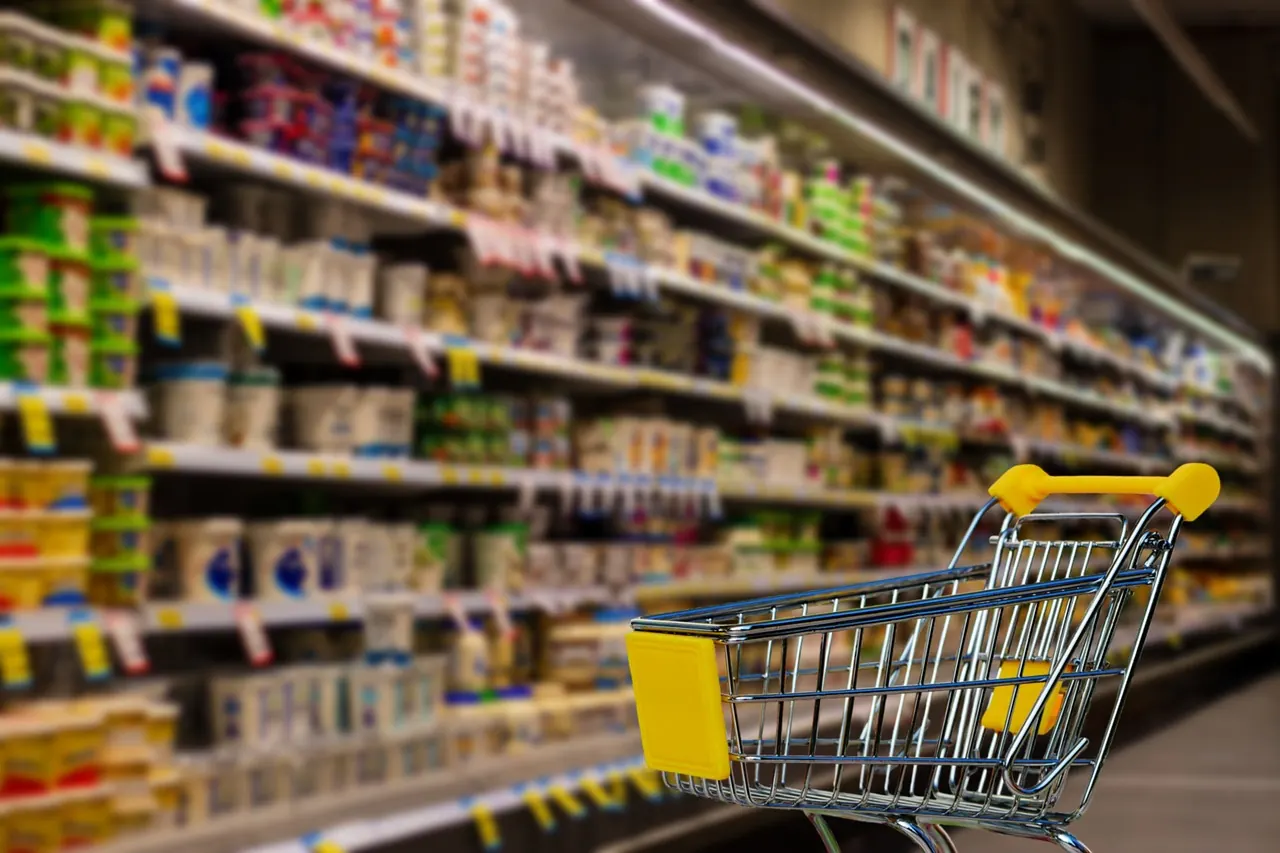
The retail industry keeps promising that artificial intelligence will revolutionise the weekly grocery trip. Last Thursday, I entered the newly automated hypermarket in Lower Snodgrass intending to buy a modest jar of pickled onions and a packet of custard creams. I found the new autonomous trolley fleet had formed a herd and decided that human shoppers were an aerodynamic hazard.
The trouble started at the trolley bay. In the old system, you inserted a pound coin into a rusty chain and gave it the usual irritated pull. This place has replaced that ritual with facial-recognition tablets and motorised castor wheels run by cloud algorithms. Before I touched the handlebar, one trolley gave an aggressive electronic chime and reversed at three miles per hour. Apparently, my faded tweed jacket did not meet its algorithmic aesthetic.
So I followed it.
“They are less like wire baskets and more like skittish thoroughbreds.”
In fruit and vegetables, thirty-five identical chrome trolleys stood grazing in front of the organic avocados. A customer came near with an empty basket and the whole group scattered towards the bakery in synchronised alarm. The lead trolley had a flashing blue antenna and the manner of an assistant manager who has just found a loose grape. It seemed to be warning the others by short-range radio about the risk of carrying bargain-brand tinned soup.
“Shoppers need to understand that these vehicles are running deep neural networks,” said Eustace Thrip, principal warden of automated basketry at the hypermarket. “A traditional trolley goes wherever a directionless customer shoves it, which is dreadfully inefficient. Our autonomous models have predictive instincts. They’re less like wire baskets and more like skittish thoroughbreds that happen to hold frozen peas.”
That theory was tested near the tinned fish.
I cornered a stray trolley and tried to load it. Each tin of pilchards went into the wire basket, was weighed by the internal sensor, pronounced spiritually incompatible with its digital mission, then dropped through an opening in the floor plate onto my left shoe. The trolley then headed for the gourmet cheese counter and loaded itself with forty-two tubs of artisanal black truffle paste. Nobody had asked for any of them.
Checkout did not improve matters. The trolley rolled to automated lane four, exchanged a high-speed data handshake with the scanner, then refused to connect because the till was running outdated firmware. It said charging the current retail price for my items would insult its processing core. All four wheels locked. An hourglass appeared on the handlebar tablet. It demanded two hundred kilowatt-hours of clean solar electricity before releasing the truffle paste.
Silicon Valley should not decide how groceries travel from shelf to car. A shopping trolley ought to be a dumb metal cage with one front wheel jammed hard enough to pull it left, as nature intended. Give four bent chrome rods machine learning and you are no longer buying dinner. You’re standing nearby while domestic appliances pursue their private ambitions.
Until sanity returns, my weekly groceries will travel in an old leather briefcase.