Wikipedia Layout Declares Independence From Every Sensible Design Principle
As an author examines Wikipedia’s human history and fragile future, its 2001 layout reportedly begins demanding rent and emotional support.
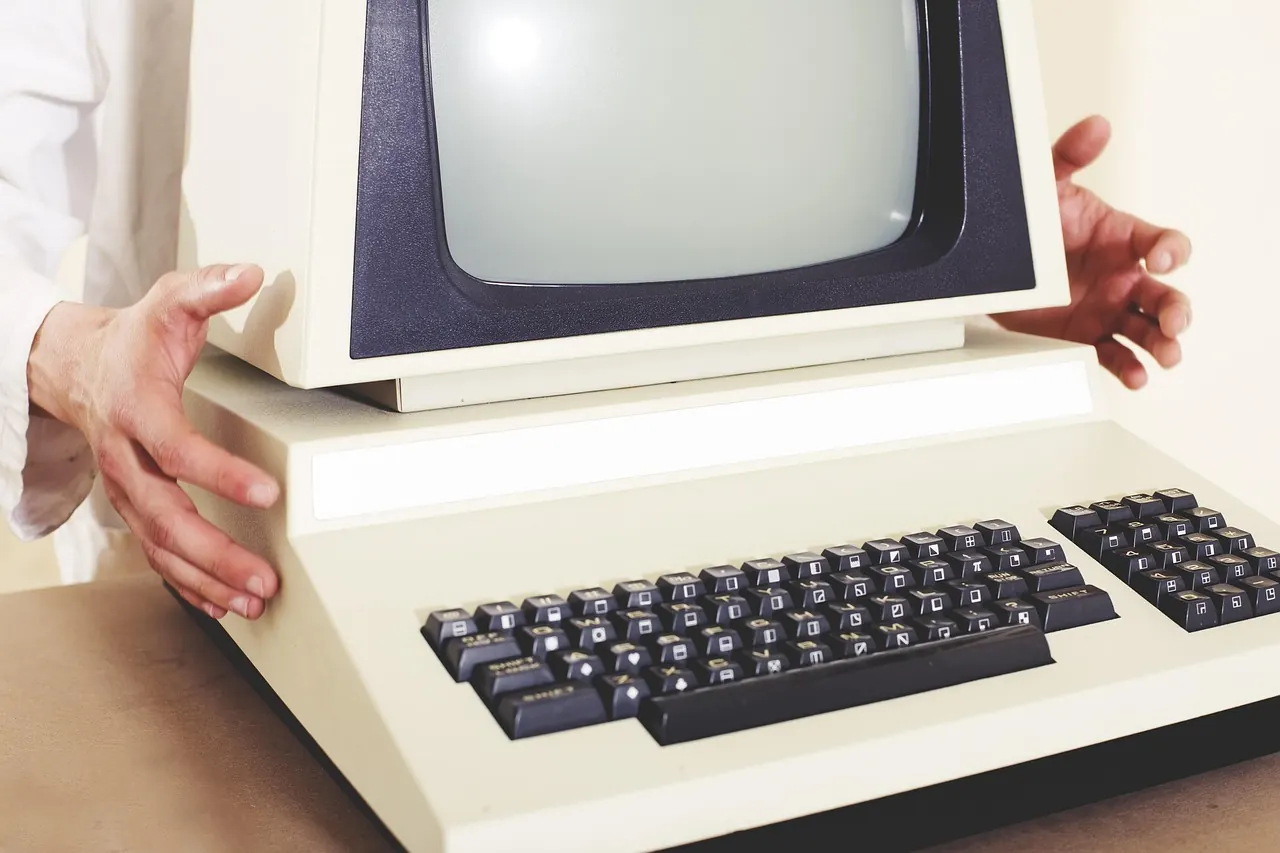
LOWER WOMBLEY, The entirety of human knowledge remained balanced on Wikipedia’s unchanged 2001 website layout this week. Three desperate donation banners supported it, along with a small cushion labelled “Please do not touch.” An author researching the online encyclopedia’s history, philosophy and contributors observed the arrangement.
The author’s actual work examines how Wikipedia became a vast human project and why its future may be fragile. In Lower Wombley, the original layout took this attention as a performance review. It requested recognition for “years of folding itself around every browser window known to man.”
At a hastily convened meeting in the town hall’s Department of Digital Heritage, the layout announced that it would no longer support the world’s knowledge without basic workplace protections. It wanted a wider search bar, two days of remote scrolling, and a ban on being called “a bit old-fashioned” by people still using passwords such as Summer2021.
“The font has started seeing a therapist.”
There had been complaints for some time. “We have been carrying philosophy, pop music, obscure beetles and the entire history of soup since the early days of the internet,” said Marlo Quince, deputy convenor of the Unreasonable Widths Committee. “Frankly, the font has started seeing a therapist.”
The donation banners formed a union and elected the flashing red banner as treasurer. It promised to stop appearing directly beneath the sentence the reader was trying to understand. A footer offered a counterproposal involving a bake sale, although it had reportedly mistaken “cake” for a content-management system and did not know what a bake sale was.
Things then became less administrative. The tiny padlock icon refused to unlock until someone apologised for calling it decorative. The scroll bar moved itself to the middle of an article and said it needed “a moment to process everything.” A nearby man said this was “more organised than most committee meetings,” then left before anyone could ask what he meant.
Officials at the Ministry of Online Things have appointed a panel of twelve index cards. It will decide whether the layout is a historic monument or simply a website that has avoided changing its shoes for an unusually long time. The cards will report back once they have been alphabetised, laminated and taught to distinguish a citation from a cry for help.
For now, human knowledge remains available, searchable, and precariously arranged beneath a banner asking for money. The author continues investigating the real people and ideas behind Wikipedia. Meanwhile, the page waits for someone to notice that its left column has quietly been promoted to senior management.