Ranchers Ask Subtraction to Respect Political Loyalty as Beef Imports Loom
As 300,000 tons of duty-free meat arrive and fuel bills climb, cattlemen in Wyoming ask household abacuses and diesel receipts to show some national pride.
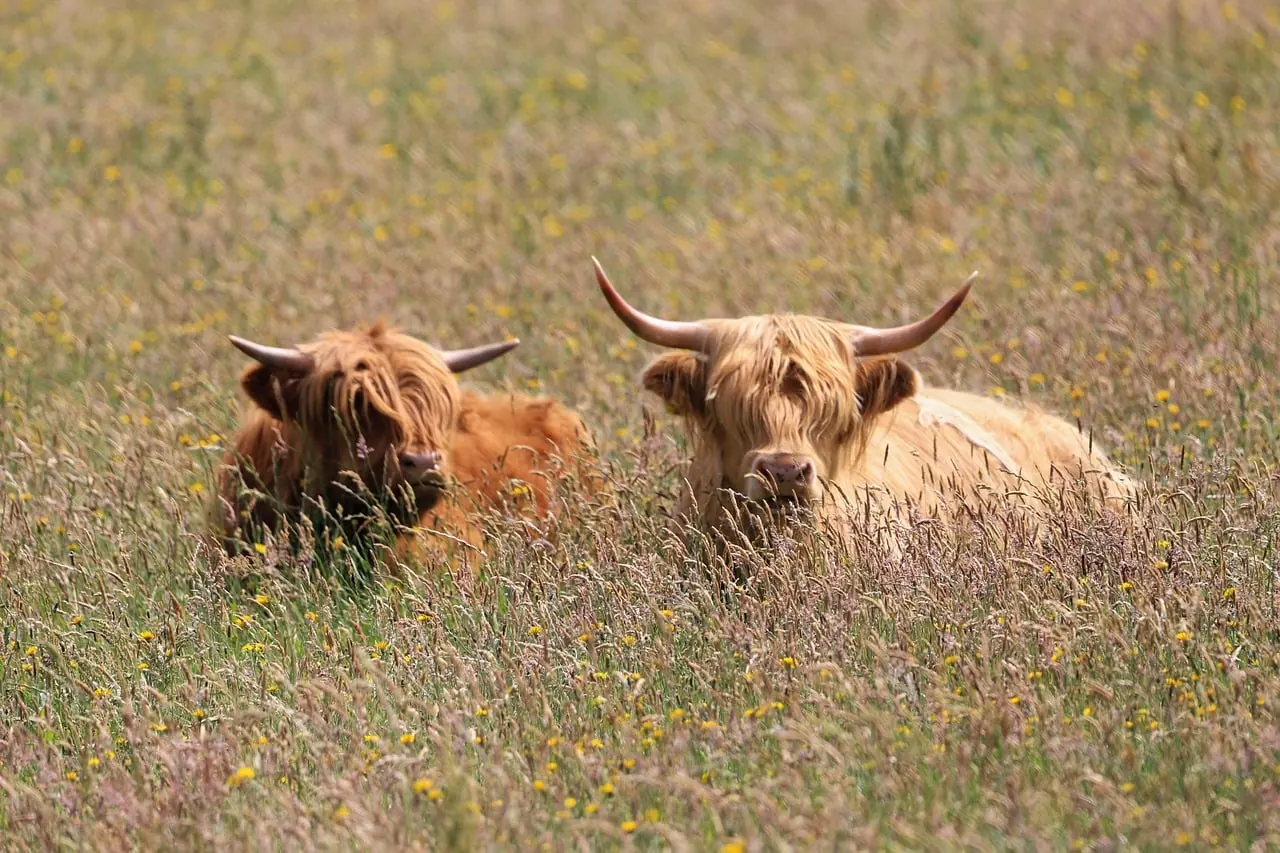
CHEYENNE, The Trump administration said this week it will import 300,000 metric tons of duty-free foreign beef in an effort to lower consumer prices. American cattle ranchers, already dealing with higher fuel bills and retaliatory tariffs, received the news with immediate irritation. Across the Great Plains on Tuesday, many chose not to argue with the policy itself. They attempted to arrange an informal truce with subtraction.
The difficulty surfaced on family homesteads in Wyoming and Montana, where financial ledgers reportedly began a coordinated industrial dispute. Minus signs, burdened by the imported tonnage, pulled free from handwritten spreadsheets and fled into round hay bales. Solar-powered calculators were found shivering on workbenches. When owners tried to compare diesel receipts with wholesale auction rates, the screens displayed small symbols of distress.
“Every time we add diesel to feed costs, the ledger makes a dry retching noise,” said Wade Claggett, Senior Pasture Logician at the Wyoming Bureau of Reversible Totals. He was trying to herd loose decimals into an exercise book. “The numbers refuse to cooperate with our personal convictions. We explained that foreign competition was merely an abstract economic gesture, but the column turned bright red and vibrated off the desk.”
“Every time we add diesel to feed costs, the ledger makes a dry retching noise.”
County farm associations then held emergency workshops on alternative arithmetic. Ranchers were urged to try patriotic long division, in which overhead is divided by unwavering loyalty until no remainder remains. The method has not travelled well to hardware stores. Cash registers continue to observe elementary physics and demand money for barbed wire.
The cattle noticed. Along the Powder River, Black Angus herds held roadside caucuses over whether their market valuation was legally allowed to fall. By Wednesday morning, three dozen heifers had formed an ad hoc committee on grassland dignity. Its resolution required every ranch truck entering the paddock to provide an audible, reassuring hum before unloading hay.
“You cannot expect a six-hundred-pound steer to respect market fluctuations when the tractor has lost its moral compass,” said Clara Clatterbuck, Chief Inspector of Livestock Optimism for the Prairie Balance Commission, speaking through an open silo hatch. Earlier that week, she said, a diesel tank refused to calculate its miles per gallon because the truth would sour the herd’s milk. Staff covered the gauge with electrical tape. The machinery needed sleep.
By Thursday, municipal livestock auctions had barred negative integers from the sale ring. A polite brass bell now chimes whenever a seller loses three thousand dollars on a shipment. Organizers said the bell would preserve both accounting records and producer pride, which have lately required separate handling. Until the foreign beef arrives, ranchers have been told to keep receipts in dark drawers and address their checkbooks in low, soothing tones.