My £12 Frozen Yoghurt Is Demanding A Subprime Mortgage Bailout
The tart dairy treat has made a comeback, but its steep price tag is entirely due to its live cultures recreating the 2008 financial crisis in my stomach.
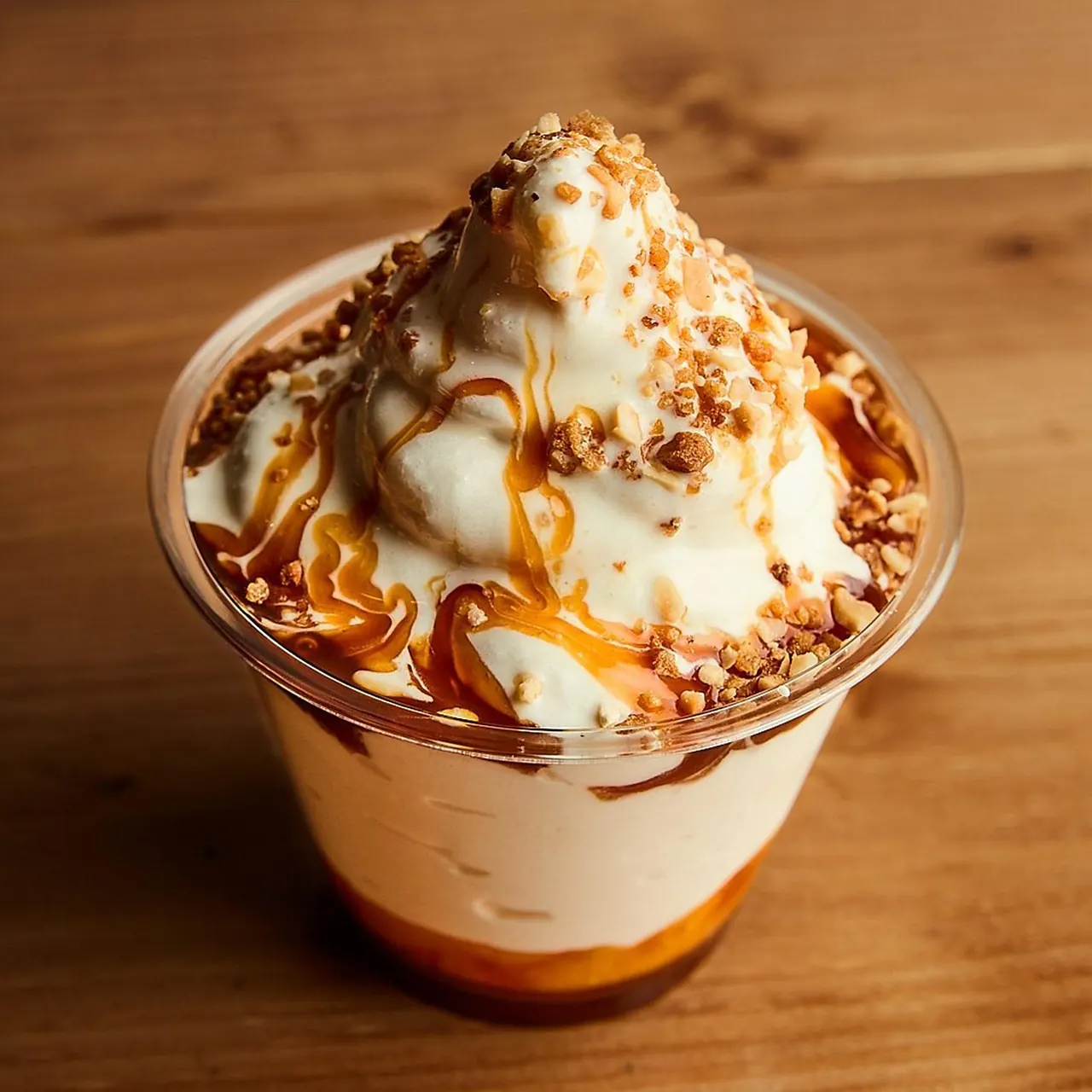
Frozen yoghurt is back in the UK. I spent Tuesday queueing outside a neon-lit shop to pay twelve pounds for a small cardboard tub of tart dairy. I assumed the price was a standard scam. Then I looked at the dessert. The live bacterial cultures inside the yoghurt have spontaneously developed a microscopic, unregulated financial sector modelled entirely on the year 2008. The twelve pounds is a necessary bailout.
Scientists at the Institute of Very Small Economics confirmed the situation. The probiotics in the dessert no longer aid human digestion. They’ve moved into predatory lending. Over the last three months, the bacteria bundled low-quality kiwi slices and bruised blueberries into complex financial derivatives. This created a fragile bubble of microscopic debt. It currently threatens to collapse the entire dessert supply chain.
“When you consume a twelve-pound tub of froyo today, you are fundamentally eating the ghosts of Lehman Brothers,” explained Arthur Pendelton, chief regulatory officer for a colony of strawberry-flavoured lactobacillus. The bacteria became nostalgic for the economic optimism of the mid-2000s. They started issuing mortgages to unqualified sprinkles. And now the yoghurt is geared forty to one against a potential gummy bear crash. We consumers have to foot the bill to keep them solvent.
“I can feel the bailout happening in my lower intestine as we speak.”
Other customers in the queue reported a profound sense of pre-recession invincibility after finishing their cups. The physical sensation of eating the dairy replicates the exact physiological feeling of securing a 110 percent mortgage on a buy-to-let flat. A man in a fleece jacket told me his digestion felt heavily collateralised.
Brenda Goggins is a part-time dessert speculator. She paid twelve pounds for a swirl with mango boba and immediately felt a deep urge to invest in a doomed startup. She stared blankly into the bottom of her empty bowl. “My gut flora is currently experiencing a massive liquidity crisis,” she said. “I can feel the bailout happening in my lower intestine as we speak. It’s the most delicious financial ruin I have ever tasted.”
My own yoghurt cultures escalated the situation on Thursday afternoon. They officially petitioned the local council to recognise my tub as a sovereign financial entity that is simply too big to fail. Representatives for the bacteria communicated through a series of tiny bubbles in the dessert. They argued that a collapse in dairy confidence could wipe out the global supply of chopped nuts. I must continue feeding them twelve pounds a day to prevent this.
The froyo stores have begun offering subprime dessert loans to maintain the illusion of infinite growth. I walked away with a small cup of vanilla bean yoghurt for zero pounds down. I just had to agree to pay variable interest rates on all future rainbow sprinkles. I took the deal. My debt was immediately sold on to an unsuspecting soft serve machine in Bristol.
The bacteria issued a joint press release on the back of a biodegradable spoon. “We are simply letting the free market dictate the viscosity of the dessert,” it read. They foresee endless expansion. The cup itself is finite. But the derivatives based on the empty space at the top of the cup are absolutely limitless.
I will be joining the queues again tomorrow despite warnings of an impending gastronomic recession. I am entirely willing to pay the premium. It brings me great comfort. For twelve pounds, I can briefly return to a time when my biggest worry was whether the housing market would crash before I finished my crushed cookies.