Insect Housing Crisis Worsens As Wasps Buy Up Affordable Ant Starter Homes
Predatory property developers are flipping traditional hollow plant structures and pricing local ant colonies out of the canopy market.
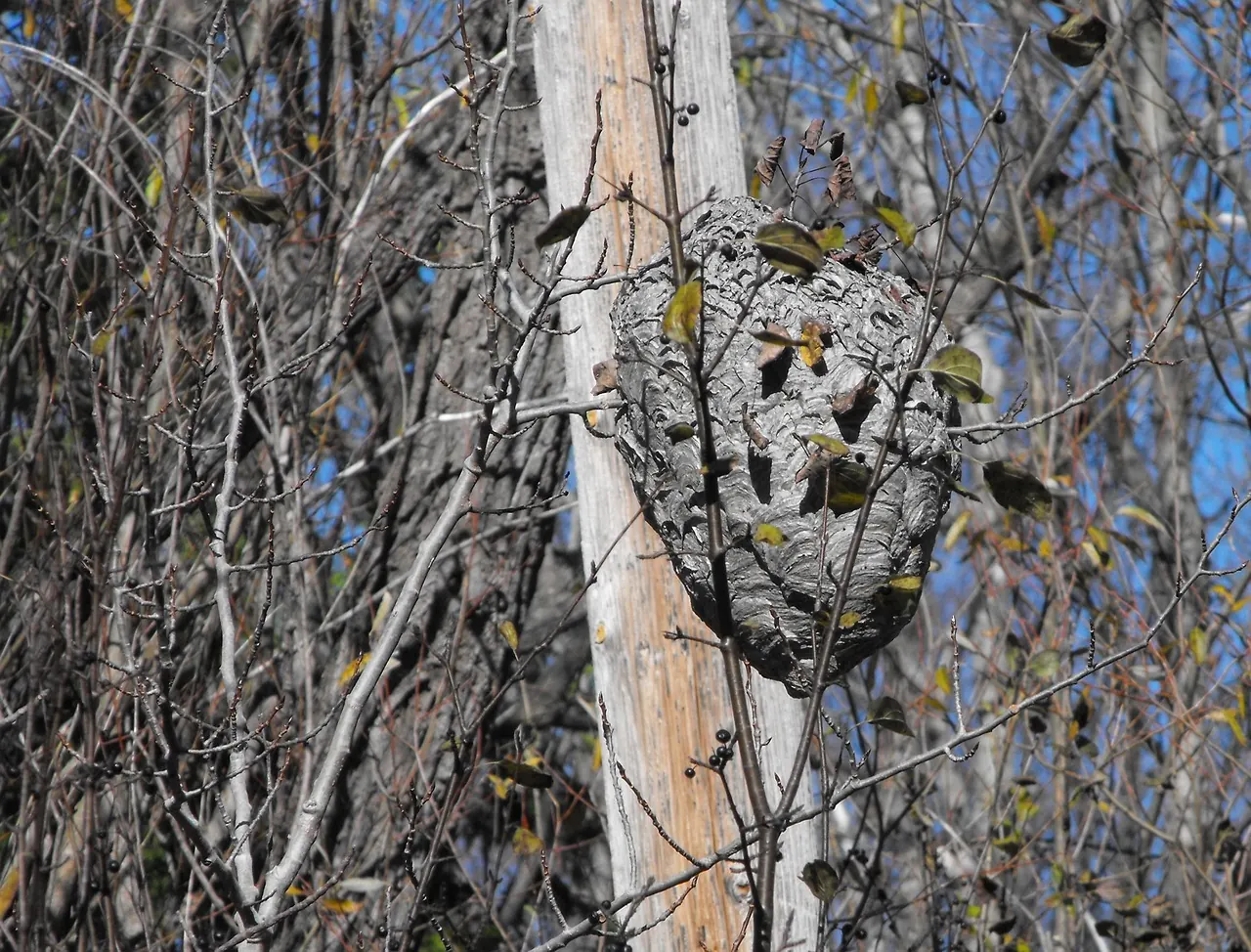
BORNEO, A bidding war erupted in the canopy this week. Predatory wasps are buying up hollow plant structures that trees originally grew to house ant colonies. For generations, ants considered these domatia affordable starter homes. Now wasp developers flip them. The old arrangement between trees and ants has collapsed into a bitter gentrification dispute. You can see the tiny eviction notices taped to the bark. Someone even opened an artisanal nectar cafe on a lower branch.
And the displaced insects hate the cafe. “We’ve lived in these domatia for generations,” said Reginald Mandible. He is a worker ant and spokesperson for the Six Legs Tenants Union. “We maintained the property. We kept the herbivores away.” Then the wasps arrived. They slap white paint on the walls and knock through a load-bearing fibre to make an open plan living space. Suddenly the rent triples. Mandible said his colony got priced out of their own twig by Tuesday morning. “We simply can’t compete.”
You could see this economic displacement coming if you watched the disturbed oil palm plantations. Protective ants leave when the habitat breaks down, and wasps who prefer the hollow structures for nesting move in. But the researchers missed the next step. The wasps immediately formed a homeowners association. Almost overnight, they started issuing fines to nearby caterpillars for violating aesthetic guidelines. Those leaf-clipping fines get collected aggressively.
“If the ants cannot afford an up and coming leaf node, they should rent a damp patch.”
But the developers issuing those fines see nothing wrong with the process. Tarquin Sting is a predatory wasp and managing partner of Apex Canopy Real Estate. He defended the acquisitions as entirely legal. “We’re just seeing the market correct itself,” Sting buzzed over the noise of a tiny angle grinder. He claimed the ants wasted the space. “We add a little curb appeal and install a balcony. The property value skyrockets. If the ants cannot afford an up-and-coming leaf node, they should rent a damp patch.”
Even the trees providing the real estate hate the new tenants. They grew these structures specifically to attract ants who would aggressively defend the branches. Now they are stuck with venomous occupants who refuse to do any garden maintenance. A complete lack of landscaping. Several mature shrubs filed formal grievances with the local council, citing noise pollution and unauthorized structural alterations that compromise branch integrity. One shrub submitted forty pages of complaints.
Those complaints go completely ignored. “It’s a complete nightmare,” a nearby ficus tree groaned. It swayed slightly to emphasize the point. “I built those chambers specifically for the ants. They paid their dues in security and kept the place tidy.” Now upwardly mobile wasps throw loud dinner parties there, and they demand the tree install a helipad. The ficus tried serving them with a cease and desist order. The wasps just built a papier-mache nest right on top of the legal paperwork.
Local authorities cannot help with the paperwork. The Regional Flora and Fauna Zoning Board admits they are completely powerless to stop the crisis. Board chairman Arthur Rollings said the bureaucratic backlog is unmanageable. “We have thousands of complaints from displaced insect communities,” Rollings said. Nobody wants to knock on a wasp door. They sent a moth up there last week to check building permits, but the wasps chased him all the way to the logging road.
So the displaced bugs have few options left while the board flounders. Many ant colonies have been forced to relocate to less desirable neighborhoods. One group moved into a discarded rubber boot. Meanwhile the wasps are already eyeing a nearby grove of untouched saplings. They showed up yesterday, armed with glossy brochures and promises of luxury high-rise living.