Japan Launches Deep-Space Gravel Run To Mars’s Moon
The historic mission will travel millions of miles to collect samples from Phobos, because apparently Earth has run out of rocks.
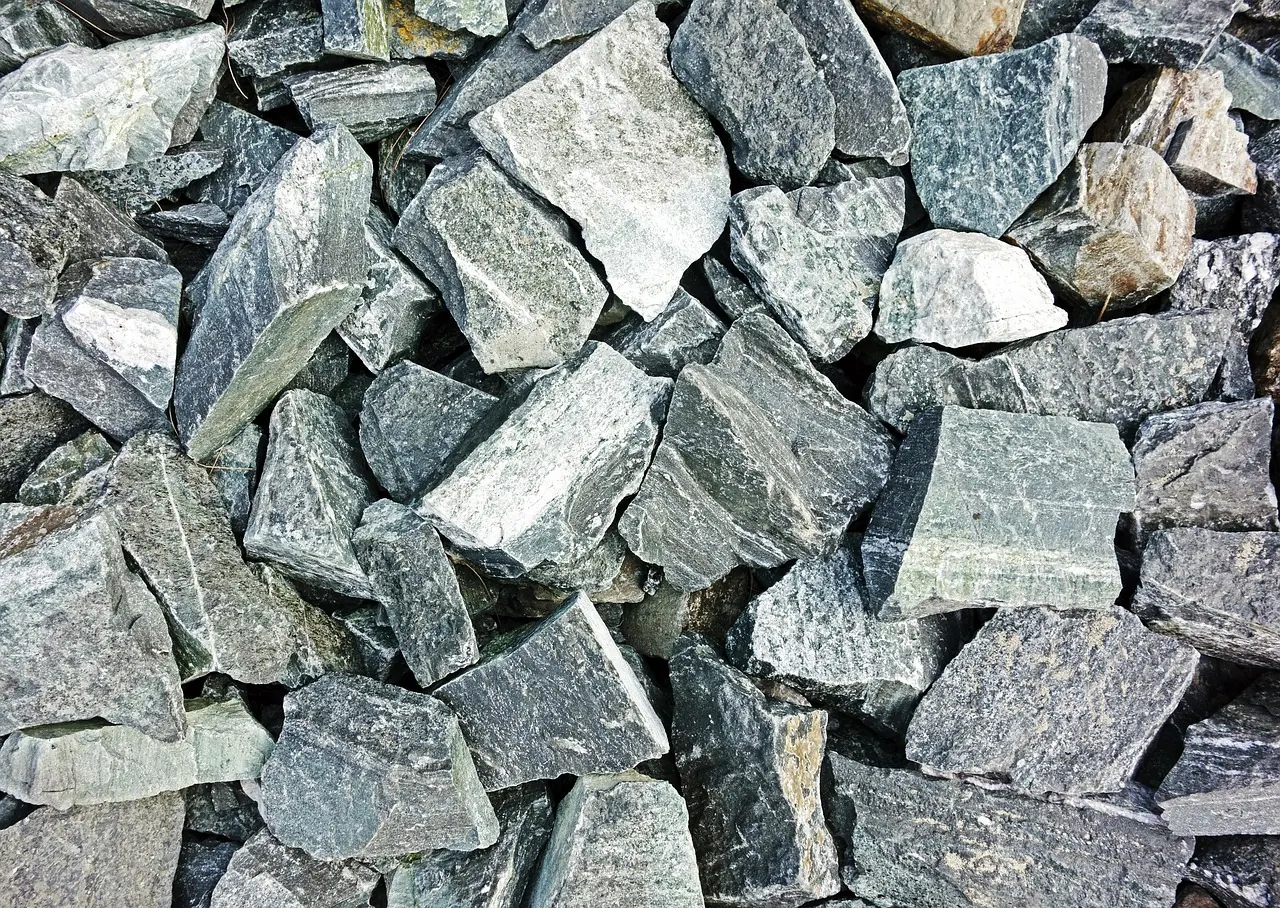
TOKYO, Japan has launched its Martian Moons Exploration spacecraft to collect rock and soil from Phobos, one of Mars’s moons. Humanity will spend years retrieving material that would look at home in a driveway.
The spacecraft must cross deep space, carry out delicate work around Mars, touch down on or otherwise reach the moon, collect its material, then bring it back for study. After this interplanetary exercise, researchers expect a small amount of gravel. Science has long marked its greatest achievements this way.
“We could have picked up something similar behind a garden centre,” said Dr. Ludo Quibble, senior coordinator of the International Office for Objects That Were Already Lying Around. “But this sample has travelled from Phobos, so it will be impossible to ask it to leave.”
“This sample has travelled from Phobos, so it will be impossible to ask it to leave.”
Supporters say the rocks and soil could tell researchers about Phobos, Mars and the early solar system. Critics point out that the early solar system already appears in several books, while a respectable bag of gravel costs about as much as a sandwich, plus a delivery charge that tends to become mildly alarming.
The samples still have serious scientific value. Instruments will check their composition, age and possible origin. Experts can then argue over whether a given grain came from Phobos, Mars, an asteroid, or a small cosmic administrative error. The work may settle questions about moon formation and planetary change, though somebody will eventually ask why they did not bring back a slightly larger bag.
The Department of Extremely Small Deliveries has arranged a ceremonial reception: a velvet cushion, a microscope and a security guard told to tackle anyone who calls the material “just dirt.” Officials said the gravel will receive enormous care before being placed in a laboratory, where it can spend decades being compared with other gravel.
For the scientists, it is a rare chance to examine material gathered directly from another world. For everyone else, the mission confirms that space exploration runs on curiosity, patience and the belief that the ideal souvenir is several million miles away.