Rebel Protist Breaks Genetic Code Because It Refuses To Read The Textbook
A newly discovered microscopic organism is causing cellular anarchy after mistaking biology's universal rules for merely polite suggestions.
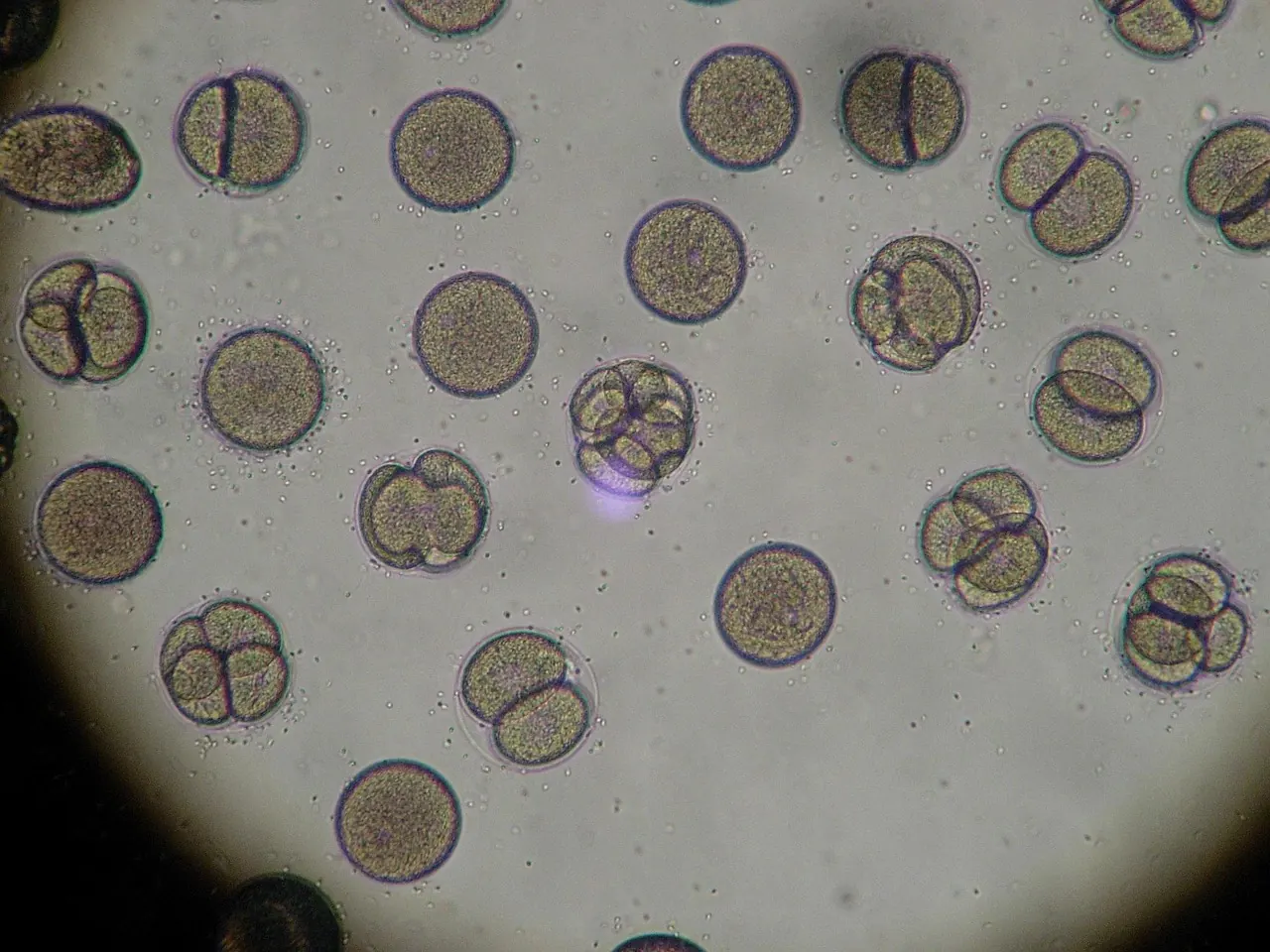
CAMBRIDGE, Scientists have discovered a freshwater protist that ignores the established rules of genetic coding because, by all available evidence, it never learned to read. The single-celled organism has reassigned two stop codons to entirely different amino acids, an act experts compared to driving a tractor through a red light while eating the steering wheel.
The protist has no central nervous system and no apparent grasp of ninth-grade biology. It also seems unaware that DNA comes with laws scientists had rather hoped were universal. In the laboratory, it treated standard stop codons as polite suggestions, then continued assembling complex proteins whenever it felt peckish.
“We showed it a clear diagram of the genetic code,” said Dr. Kevin Flapjack, chief cellular compliance officer at the Institute of Microscopic Etiquette. “It swam over the textbook and tried to digest a picture of a ribosome.”
“The creature is proudly illiterate and refuses to wear reading glasses.”
Flapjack said the researchers printed the rules in an extremely small font. The protist remained proudly illiterate and declined to wear reading glasses.
The discovery has unsettled the microscopic community, where biological rules are normally handled by an invisible cellular bureaucracy with the confidence of a regional licensing office. Several local mitochondria have threatened an indefinite strike. Their complaint is simple: if this protist need not obey the usual stop codons, they should not have to pay what they describe as exorbitant cellular respiration taxes.
By Tuesday afternoon, the petri dish had become difficult to govern. Nearby amoebas, easily led at the best of times, put on tiny leather jackets and deliberately misfolded their proteins for the researchers. A suspicious paramecium lingered at the edge of a glass slide, selling counterfeit digestive enzymes to underage bacteria seeking an illegal route around their metabolic pathways.
“One damp speck decided it was too cool for school, and now the foundational structure of life is collapsing,” said a stressed spokesperson for the Department of Cytoplasm Management, speaking into a microscopic megaphone. “Let organisms invent amino acids whenever they like and pond algae will demand dental insurance. The yeast will start an interview podcast.”
Scientists placed the protist in an isolated glass beaker and made it watch educational documentaries about Gregor Mendel’s pea plants on a continuous loop. This did not work. The organism duplicated its nucleus and ignored the lecture twice as hard.
The cell has now retained legal counsel. Its lawyer, a highly litigious piece of pond scum named Timothy, filed an emergency injunction against the scientific community, arguing that the universal genetic code is a restrictive construct imposed by arrogant macroscopic lifeforms. Timothy’s filing says the old translation rules have no place in the life of a modern, independent organism, which is an ambitious position for pond scum.