Lower Wombley University Recruits Its First Competitive Cloud
The newly formed athletics department says its weather-based squad has already secured a promising breeze and a deeply confusing mascot.
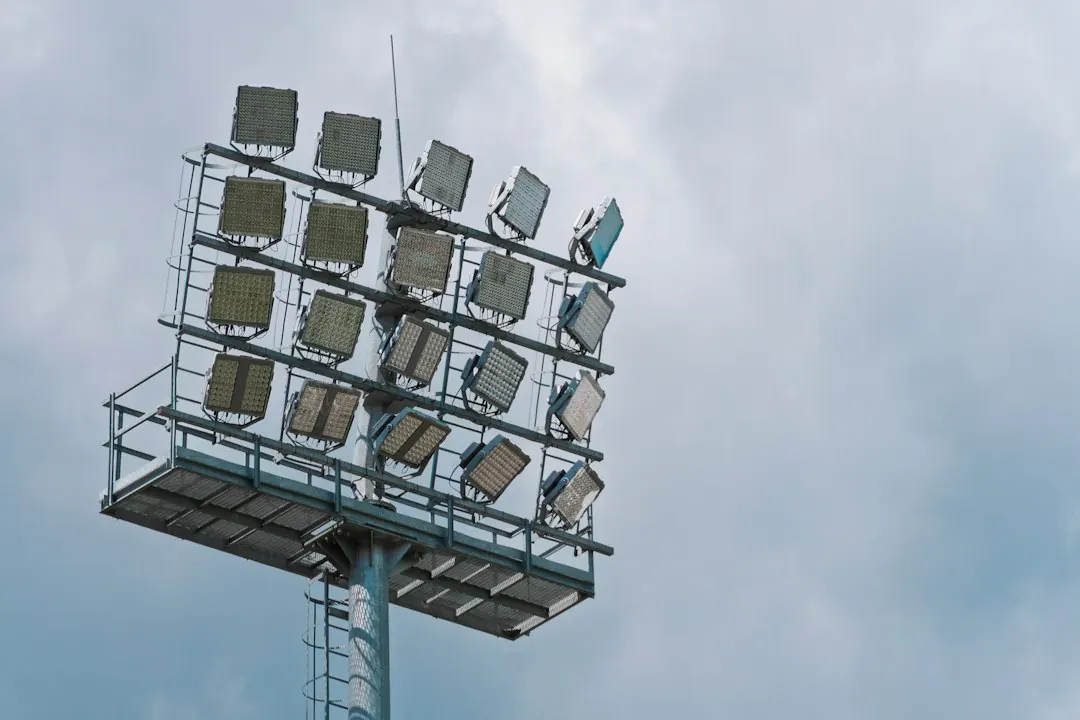
LOWER WOMBLEY, The University of Lower Wombley has added competitive cloud to its athletics programme and is now the first school in the district to offer a scholarship to a cumulus formation. Officials presented the team on Tuesday beside the chemistry block. A small white cloud hovered over a podium, then changed shape instead of taking questions.
By Gary Opinions. Fenwick Porridge, the university’s director of atmospheric sport, said the cloud earned its place by beating 43 students in trials for graceful drifting, useful shade and staying in view during a light breeze. The applicant is known only as Cloud Number Seven. It gets free tuition, a heated sky and cafeteria access, though it has already eaten the menu.
The discipline includes high-speed hovering, synchronised mist, long-distance looming, precision drizzle and the difficult business of looking like a horse. Geography teachers will judge the events, along with two retired umbrellas and a silver spoon that has developed a marked confidence around weather.
“At last, a team that can represent us without asking for a lift.”
Training has started in the university’s new indoor horizon. The 600-metre facility has no walls, no ceiling and no clear account of where the building finishes. Students have been told to run underneath the athletes and offer practical instructions, including “be more atmospheric” and “watch that wind.” The cloud’s trainer is Clive, a nervous weather vane who points in four directions whenever anyone asks for a plan.
That should prepare them for the first fixture. Lower Wombley will face North Cabbage Institute, which has entered a competitive fog, three academic puddles and a rainbow with an unhelpfully athletic build. Neither school has a stadium large enough for the contest, so staff will hold it in a gymnasium once they remove the roof, several walls and the concept of indoor sport.
A spokesperson for the university’s Committee for Sport That Can Be Seen From Space spoke from inside a filing cabinet and said the programme would improve student wellbeing. Young people, they said, need to learn that failure is temporary, while condensation is forever. The committee also confirmed that spectators need binoculars, raincoats and a signed waiver accepting that the scoreboard may drift away.
Students have received the initiative with cautious enthusiasm. “At last, a team that can represent us without asking for a lift,” said Mavis Quibble, a third-year archaeology student who had mistaken the cloud for a library extension. Cloud Number Seven later seemed to nod. Then it became a huge question mark above campus. The university gave it a perfect grade for communication.