Treasury Shocked That Giving Six Billion Pounds To Banks Leaves Less Money
Officials are reeling from the unexpected phenomenon wherein subtracting a massive number from a finite budget results in a much smaller remaining total.
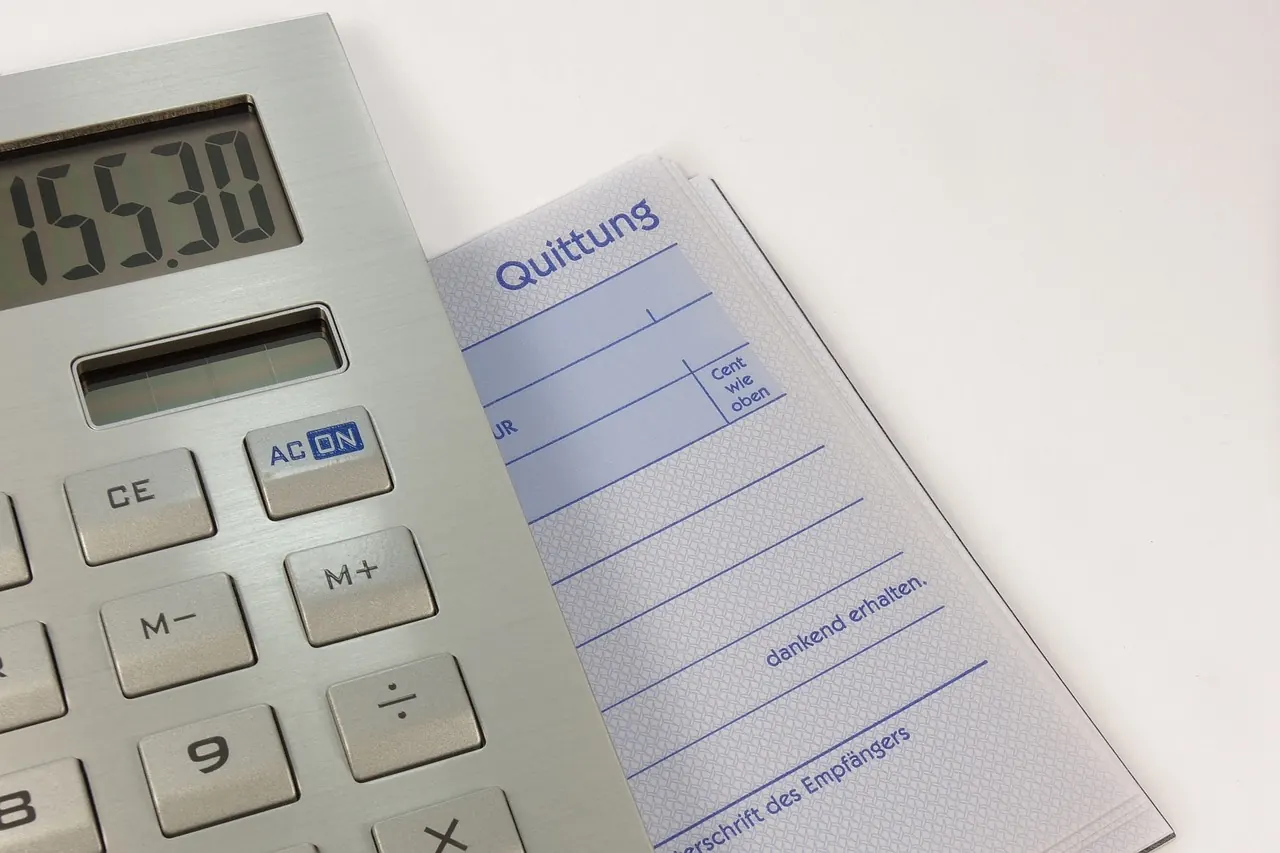
LONDON, financial mathematicians at the Treasury have urged calm after discovering that letting banks keep six billion pounds in tax revenue has left the public purse six billion pounds lighter. The Trades Union Congress raised the alarm in a report on the 2023 banking tax cuts. Apparently the money did not then reappear in government coffers.
Civil servants spent the weekend rechecking figures on plastic desktop calculators, in case basic arithmetic had developed an exception for major lenders. Some thought the cash had slipped behind a radiator. Others blamed a warm afternoon and the fiscal ether. The internal inquiry reached a harder conclusion: if you tell enormously wealthy institutions they need not hand over billions, they keep the billions. The government does not.
“This is a dark day for our understanding of numerical reality,” said Alistair Sterling, Chief Director of Subtracting Things from Other Things at the Ministry of Wealth. “We assumed six billion pounds would duplicate through positive thinking. Learning that giving someone a gargantuan pile of cash means you no longer own that pile is a shift in modern economics.”
“We are heavily looking into the possibility that the concept of math itself is broken.”
That left the committees with a problem. For months, they had treated gifts to mega-banks as heavily weighted boomerangs, expected to return as fully funded community hospitals. They did not return. Officials then sent specially trained search dogs around the financial district to locate the missing billions. The dogs found relaxed executives buying solid-gold paperweights, which did little for the accounts.
“We are looking closely at whether maths itself is broken,” said Dr Penelope Farthing, who heads the Department of Wishful Accounting and Fiscal Daydreams. “Hand a massive slice of pie to a passing banker and, in theory, you should still have the whole pie. That is the promise of contemporary fiscal policy.” Her department is considering a patch, possibly by banning the minus sign.
The Trades Union Congress had calculated the six-billion-pound shortfall expecting a policy failure, not a supernatural event. Government emergency teams have now been sent to primary schools across the country. They will confiscate mathematics textbooks covering subtraction before pupils use the material to ask questions.
Officials are also planning a retraining programme for senior financial decision-makers. The compulsory course covers object permanence, the linear passage of time, and the awkward fact that money given to a bank cannot also repair a pothole. Further tax cuts remain suspended while investigators establish whether addition still works.