Clouds Appoint Drones As Middle Managers In Rainmaking Shake-Up
A cloud-seeding experiment over Homer used drones and silver iodide, proving that even weather now requires administrative oversight.
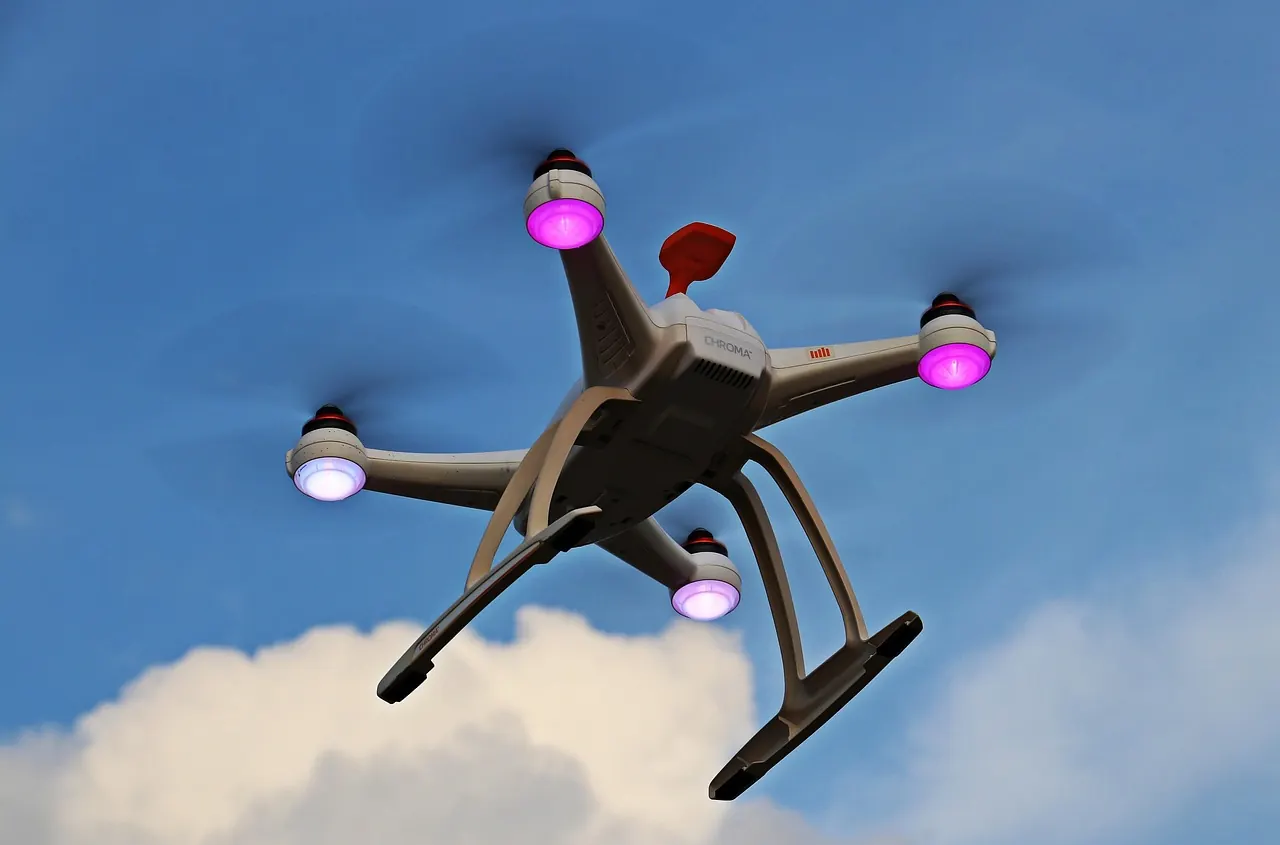
HOMER, ALASKA, The sky has apparently reached that familiar point in its development where somebody decides it needs supervision. Rainmaker ran a cloud-seeding experiment with drones dispersing silver iodide and said it produced 19 million US gallons of water in three hours.
For centuries, people have stared at clouds and asked, with varying levels of desperation, for rain. Now the clouds have managers, targets and several airborne colleagues nearby, hovering with the calm authority of a department that discovered spreadsheets last Tuesday.
Rainmaker carried out the experiment over Homer. The drones went round in circles while the clouds were encouraged to get on with it. Silver iodide offers a small atmospheric prompt, turning a loose patch of moisture into a proper rain event, provided the moisture feels cooperative and the paperwork has cleared.
“We need to know who is responsible for this drizzle.”
Professor Niblet Quark, Senior Vice-President for Sky-Based Administration at the Institute of Applied Dampness, said each cloud should receive a staff badge. “We need to know who is responsible for this drizzle,” Quark said. “At present, the clouds are passing the rain between themselves and nobody has booked the conference room.”
The figure has attracted attention.
Rainmaker’s claim of 19 million US gallons in three hours has triggered a review by the International Committee for Quantities That Sound Large Near The Ocean. Its chair, Mildred Sprocket, said officials were converting the amount into bathtubs, swimming pools and one extremely enthusiastic garden hose. “The public deserves a number it can picture,” Sprocket said, “even if that number is a bathtub the size of a small republic.”
A man standing nearby said the drones seemed serious about their duties. They circled overhead with the quiet focus of middle managers who had just heard the quarterly precipitation figures were disappointing. He expects later models to carry miniature umbrellas, though he did not say whether this was a joke or a forecast.
That has led to a further administrative problem.
Questions have arisen over whether clouds will seek benefits, flexible working arrangements and the right to work from home. In their case, home would be everywhere. The Town Hall’s Office of Weather Liaison is reportedly drafting guidance telling residents not to make direct eye contact with low-pressure systems during negotiations.
For now, the drones remain the latest recruits in humanity’s old campaign to get water from the sky on a timetable. Rainmaker has shown that clouds respond to technology, ambition and a quantity of silver iodide. The remaining question is straightforward enough: if the weather is managed from above, who manages the managers?