Honeybees Declare Every Flower A Private Members’ Club
A study found honeybees pushing aside wild pollinators, prompting an entirely imaginary floral security crackdown.
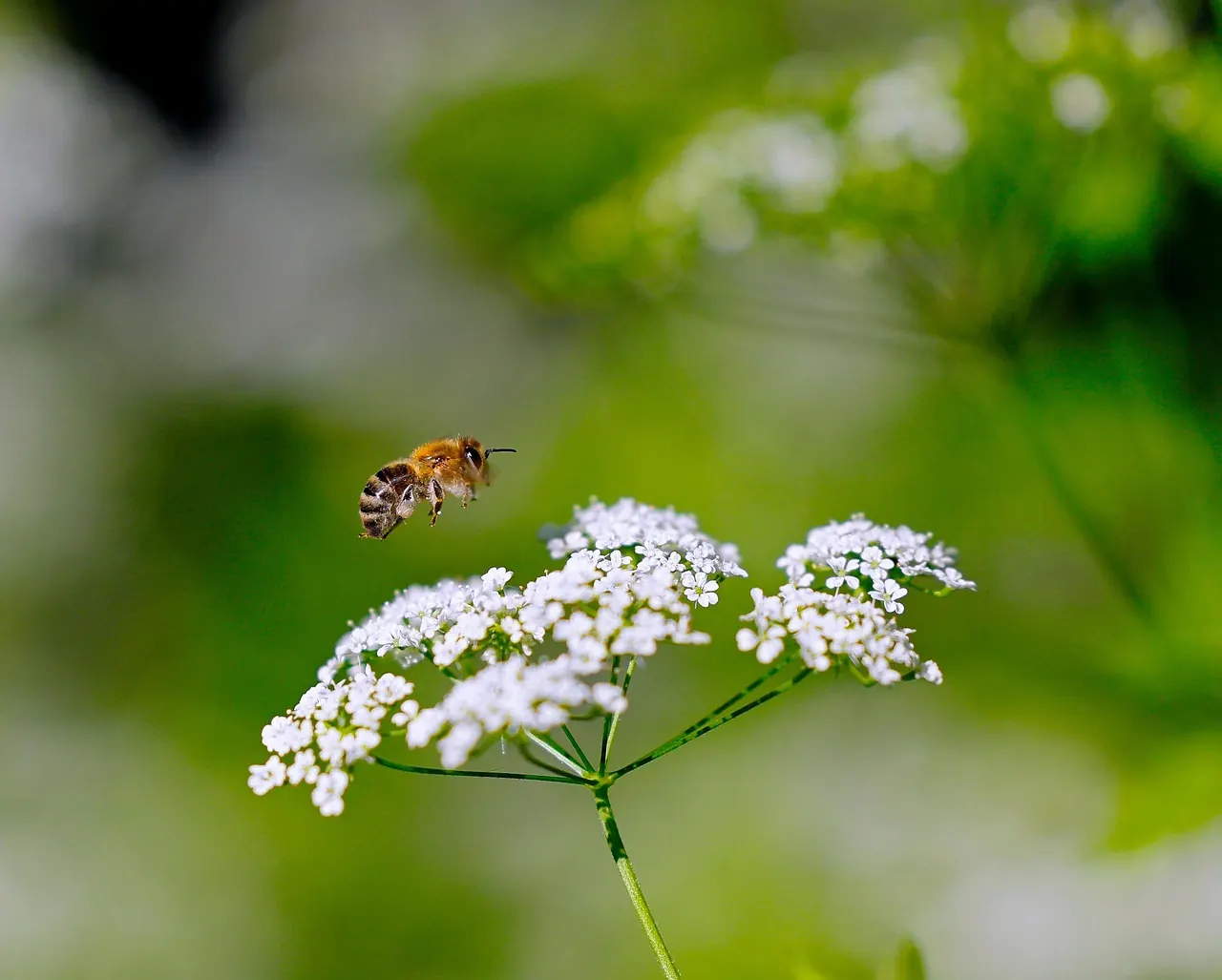
POLLEN DISTRICT, Honeybees have started treating flower patches as private members’ clubs, according to a study which found them chasing wild pollinators away from pollen and nectar. Researchers called the behaviour aggressive. Nearby bumblebees, meanwhile, were still trying the old arrangement in which everybody gets a turn.
The honeybees are not simply visiting flowers. They arrive as though someone has already assigned seats. Smaller pollinators now hover at the edge of feeding spots, waiting with the strained courtesy of guests who have discovered the host invited a marching band.
“The honeybees have developed a simple business model,” said Dr. Livia Thimble, chief etiquette officer at the fictional Institute for Floral Civility. “Locate flower, occupy flower, make flower legally complicated for everyone else.”
“Locate flower, occupy flower, make flower legally complicated for everyone else.”
That has been especially awkward for bumblebees. They have traditionally approached blossoms with the unhurried air of a pensioner checking prices at a garden centre. Under the new arrangement, they circle the premises, wait for the honeybee to finish, then return next Tuesday with proof of residency.
At a press briefing beside an enormous painted daisy, the Bureau of Nectar Allocation proposed a traffic system for pollinators. Honeybees would take the centre of the flower. Bumblebees would get the left petal. Solitary bees would be sent to a waiting area marked “Please Take A Number.” A hoverfly then declined to recognise the queue, which did not help.
An anonymous flower said it had no objection to visits from several species, provided they stopped arriving “with the administrative certainty of a tax inspector.” It declined to identify itself, citing fears of being pollinated into a jurisdictional dispute.
Officials at the imaginary Department of Buzz Management are considering tiny high-visibility vests for bumblebees. They are also weighing a licensing scheme requiring honeybees to prove they can share a blossom without turning its petals into a contested border. “We are not declaring a turf war,” said Marnie Quill, deputy director of interspecies queueing. “We are simply documenting an ongoing disagreement over who gets to stand in the middle.”